Subaru’s Electric Surprise
A 510-horsepower prototype reveals how Subaru plans to make its electric cars unmistakably its own.
For years, Subaru has built its reputation around a distinctive combination of all-wheel-drive engineering, practical performance and driver confidence.
Now, the Japanese automaker is preparing to bring that identity into a new generation of electric vehicles.
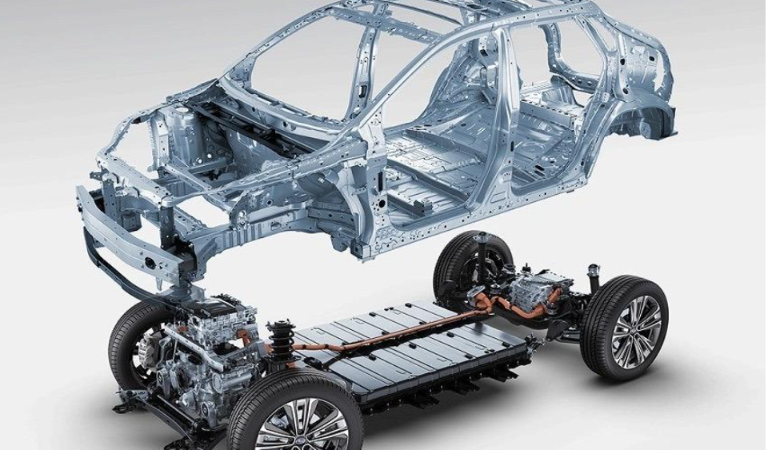
In October 2026, Subaru revealed details of an internally developed electric vehicle platform that could significantly influence the company’s future.
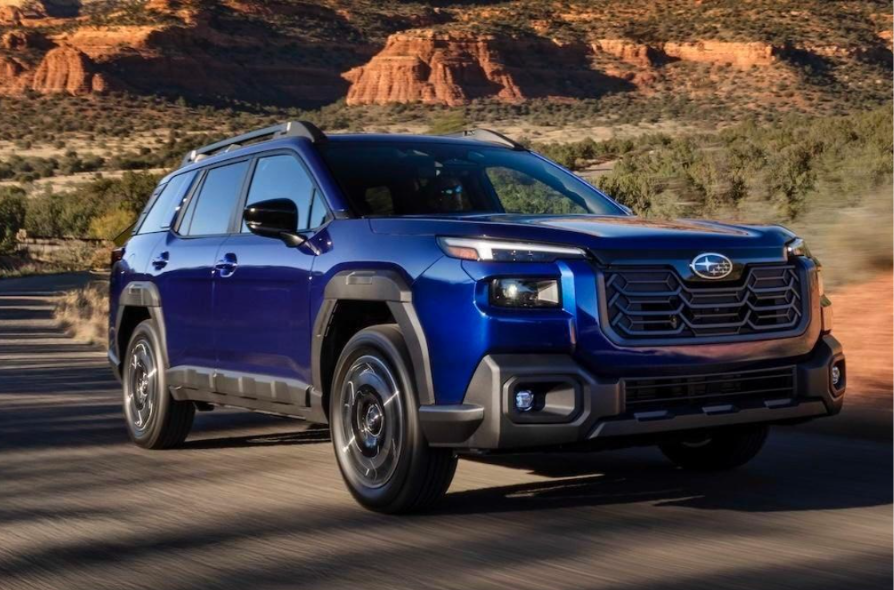
And the technology is already being tested in something rather unexpected: a modified Subaru Outback.
A Family Wagon With Supercar Ambitions
The prototype may look familiar, but beneath its bodywork sits a dramatically different powertrain.
According to details reported by Car and Driver, Subaru’s development vehicle uses a dual-motor electric all-wheel-drive system delivering approximately 510 horsepower.
The company has indicated acceleration from 0 to 62 mph in under four seconds.
For a brand traditionally associated with versatile family vehicles, those figures demonstrate the performance potential of electrification.
However, this is not simply an attempt to build a faster Outback.
The prototype serves as a test platform for an entirely new generation of Subaru electric architecture, expected to reach production around 2029.
Why Subaru Wants More Independence
Until now, Subaru’s electric vehicle strategy has relied heavily on collaboration with Toyota.
That partnership helped the automaker enter the EV market, but developing its own architecture could allow Subaru to exercise greater control over performance, packaging and driving characteristics.
The move reflects an important trend across the automotive industry.
Manufacturers increasingly recognise that electric vehicles need more than competitive batteries and impressive screens. They need identifiable personalities.
As CarBook explored in Tech Transforming Everyday Cars, sophisticated software and integrated vehicle systems are reshaping how motorists experience modern vehicles.
For Subaru, the challenge is preserving its traditional strengths while introducing entirely different mechanical foundations.
Lighter Batteries, Smarter Engineering
Weight remains one of the most significant challenges in EV development.
Larger batteries can deliver additional driving range, but they also increase vehicle mass, influencing handling, braking and efficiency.
Subaru’s upcoming platform incorporates battery development with Panasonic Energy, with targets for lighter construction and improved energy density.
According to Road & Track, the prototype also employs more efficient electric drive components developed with Aisin.
The company is exploring new vehicle structures designed to improve crash performance, including an electric motor arrangement intended to assist energy absorption during certain impacts.
Safety, rather than acceleration alone, is a central part of Subaru’s development strategy.
That approach mirrors the industry’s increasing focus on predictive engineering and advanced simulation, subjects examined in CarBook’s AI Accelerates Automotive Safety.
The Bigger Electric Challenge
Electric vehicle competition is becoming more demanding.
Customers increasingly expect strong performance, long-range capability, rapid charging, sophisticated software and competitive pricing in the same package.
It is no longer enough for an established automaker to introduce an electric version of a familiar model.
Subaru must demonstrate why its future vehicles offer a genuinely different experience.
The company’s prototype suggests that handling, all-wheel-drive control and practical performance may become central selling points.