How Artificial Intelligence Is Transforming the Driving Experience
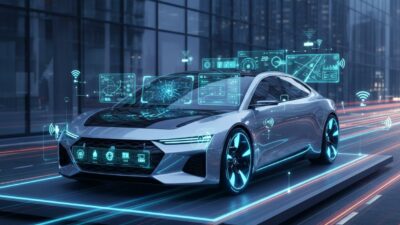
Artificial intelligence (AI) is transforming the automotive industry, introducing a new generation of vehicles that are smarter, safer and more connected than ever before. From intelligent driving assistance to personalised cabin experiences, AI is changing how motorists interact with their vehicles.
As manufacturers invest heavily in digital innovation, the automotive industry is moving beyond traditional engineering towards intelligent mobility. These developments are shaping the future of transportation, a growing area of interest for automotive enthusiasts and readers of CarBook Magazine.
Smarter Driving
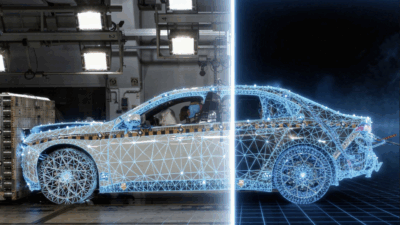
One of the most significant applications of artificial intelligence is advanced driver assistance systems (ADAS). These technologies combine cameras, sensors, radar and intelligent algorithms to interpret road conditions, identify potential hazards and support drivers.
Features such as adaptive cruise control, automatic emergency braking and intelligent parking assistance are becoming increasingly sophisticated.
Companies such as NVIDIA are developing advanced computing platforms that enable vehicles to process complex information in real time, supporting more responsive driving assistance.
Intelligent Cockpits
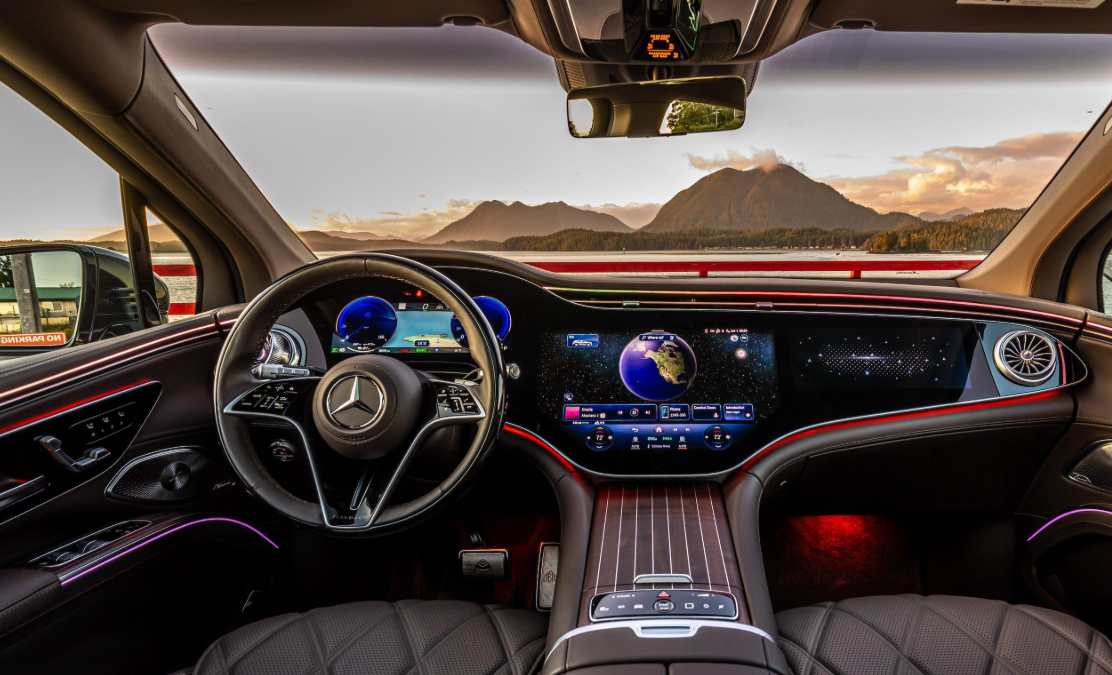
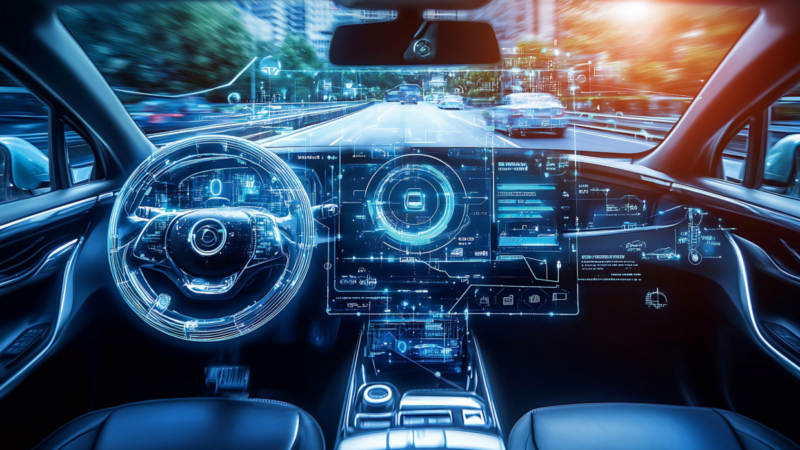
The traditional dashboard is evolving into a sophisticated digital environment. AI-powered voice assistants allow drivers to adjust climate settings, control entertainment, access navigation and perform everyday tasks using natural conversations.
Modern intelligent cockpits can also recognise individual drivers and automatically adjust seating positions, ambient lighting and preferred cabin settings.
According to NVIDIA’s intelligent cockpit research, artificial intelligence can support driver monitoring, personalised settings and augmented reality displays, creating a more intuitive cabin experience.
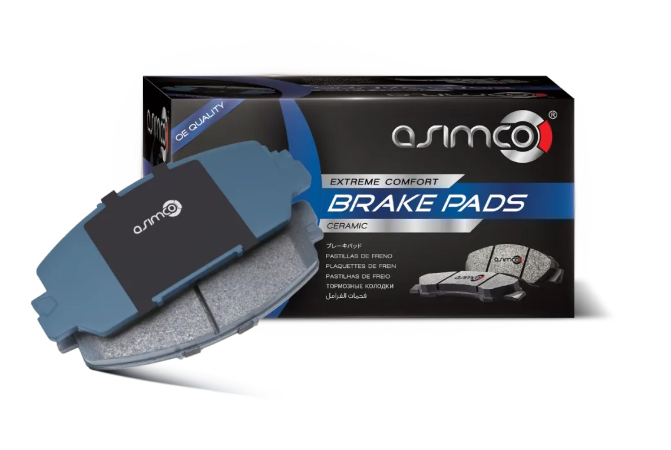
Artificial intelligence is also changing how vehicles are maintained. Instead of relying exclusively on traditional service schedules, intelligent systems can analyse information from vehicle components and identify potential mechanical issues before they become serious problems.
This technology could help motorists reduce unexpected repair costs, improve vehicle reliability and extend component lifespan.
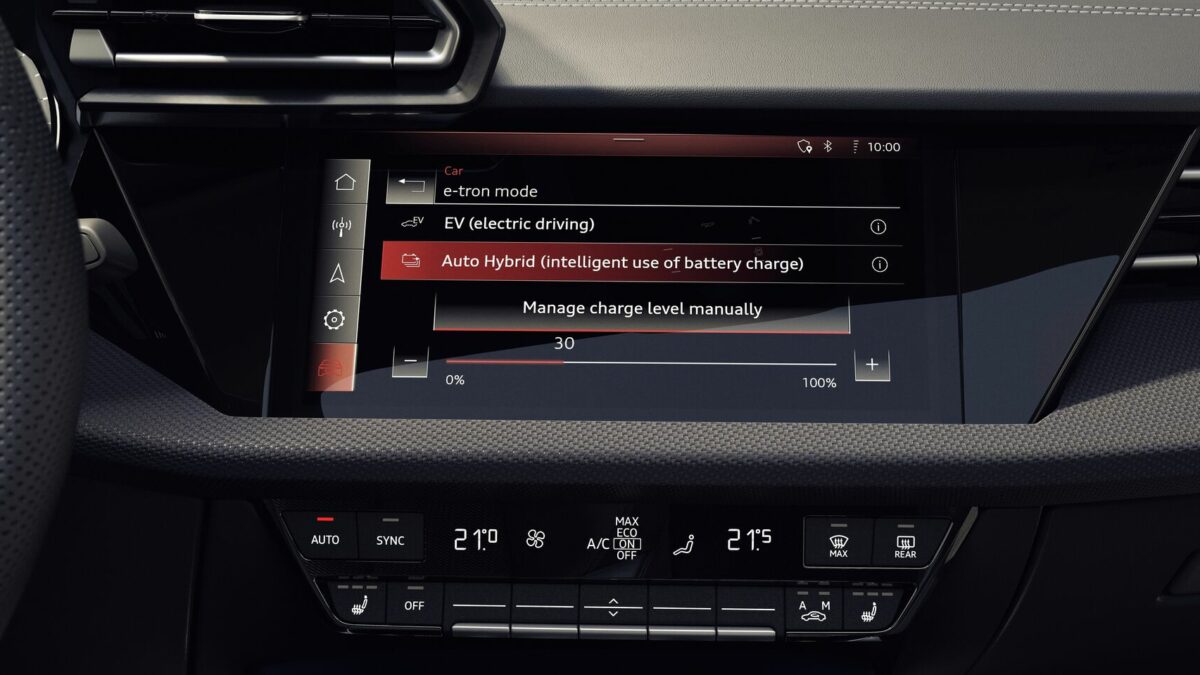
For electric vehicles, AI can also support battery health monitoring, energy management and charging optimisation, contributing to a more efficient ownership experience. Readers can discover more about evolving vehicle technologies through CarBook Magazine’s automotive coverage.
Enhanced Safety
AI-powered driver monitoring systems can identify potential signs of fatigue, distraction and reduced concentration. When unusual behaviour is detected, the vehicle can provide alerts encouraging the driver to remain attentive or take a break.
Intelligent systems can also monitor surrounding traffic and identify pedestrians, cyclists and obstacles.
However, these technologies have limitations. Drivers must understand their vehicle’s capabilities and remain attentive whenever human supervision is required.
Connected Mobility
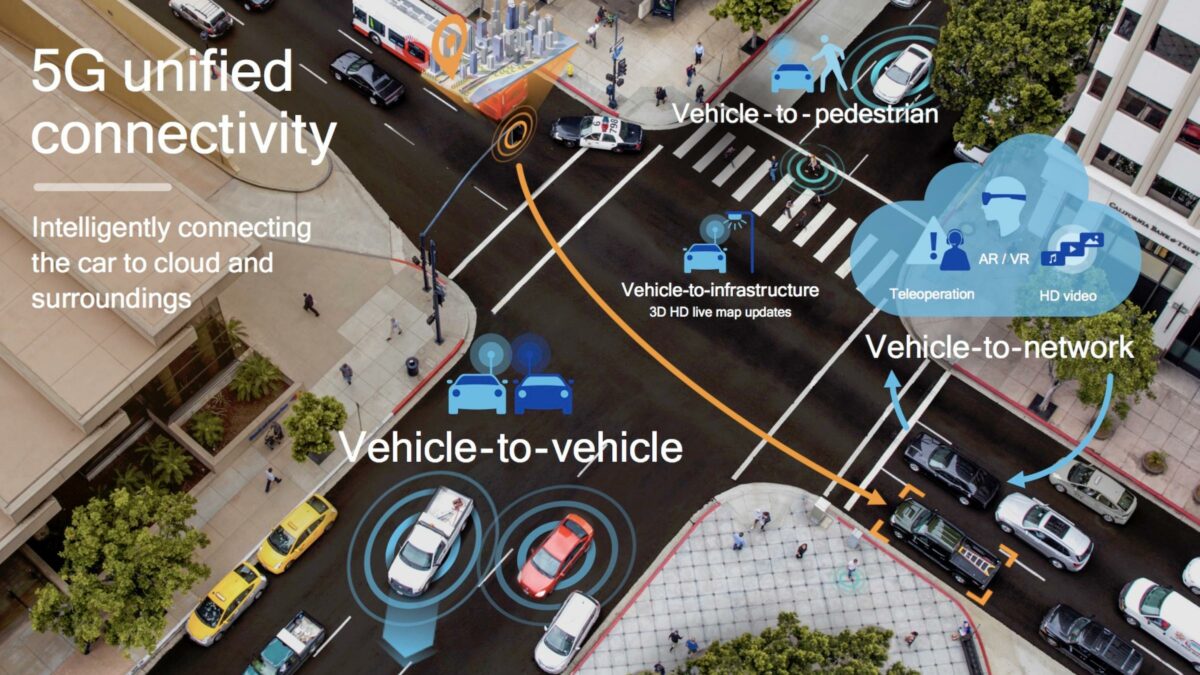
Future vehicles will increasingly communicate with digital infrastructure, traffic management systems and connected services.
These developments could help improve traffic flow, reduce congestion and support more efficient journeys. In cities such as Dubai, intelligent mobility also complements broader ambitions to develop sustainable, technologically advanced transportation networks.
The Road Ahead
Artificial intelligence represents one of the most exciting transformations in automotive history. As technology continues to evolve, vehicles are becoming intelligent digital platforms capable of delivering increasingly personalised experiences.
Nevertheless, cybersecurity, data privacy and responsible development remain essential considerations.
By combining innovation with responsible engineering, manufacturers have an opportunity to create vehicles that offer greater convenience, improved efficiency and enhanced driving confidence. The future of motoring is not simply about horsepower or acceleration — it is about intelligence, connectivity and the relationship between humans and machines.