Hybrid vs Plug-In Hybrid: Which Is Right for You?
As electrified vehicles become increasingly popular, understanding the differences between hybrid technologies can help motorists make more informed purchasing decisions.
The automotive market is entering an exciting period of technological transformation. While fully electric vehicles continue to attract attention, hybrid and plug-in hybrid models offer alternatives for motorists who are not yet ready to move entirely away from petrol-powered vehicles.
For drivers in the UAE, choosing between these technologies depends largely on driving habits, charging availability, budget and lifestyle.
Understanding Hybrids
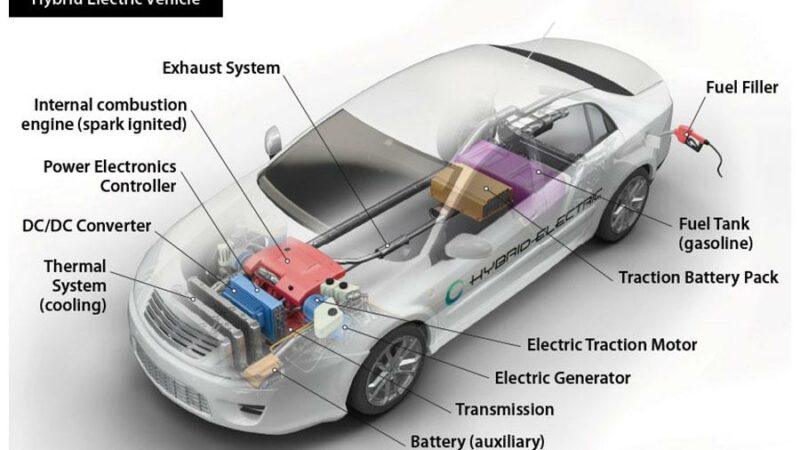
A conventional hybrid electric vehicle combines a petrol engine with an electric motor and a battery. These components work together to improve efficiency while maintaining everyday driving convenience.
According to the Alternative Fuels Data Center, conventional hybrids recharge their batteries through regenerative braking and the combustion engine rather than through an external charging connection.
During urban driving, the electric motor can assist acceleration and reduce the workload placed on the petrol engine. Depending on the model, some hybrids can also travel short distances using electric power alone.
This makes conventional hybrids particularly attractive to drivers who regularly encounter heavy traffic but do not have convenient access to charging facilities.
Plug-In Technology
Plug-in hybrid electric vehicles, commonly known as PHEVs, generally feature larger batteries that can be charged using an external power source.
Their main advantage is the ability to complete certain journeys using electric power before switching to the combustion engine when necessary.
The US Department of Energy explains how these vehicles combine externally rechargeable batteries with conventional engines, offering greater flexibility for different driving requirements.
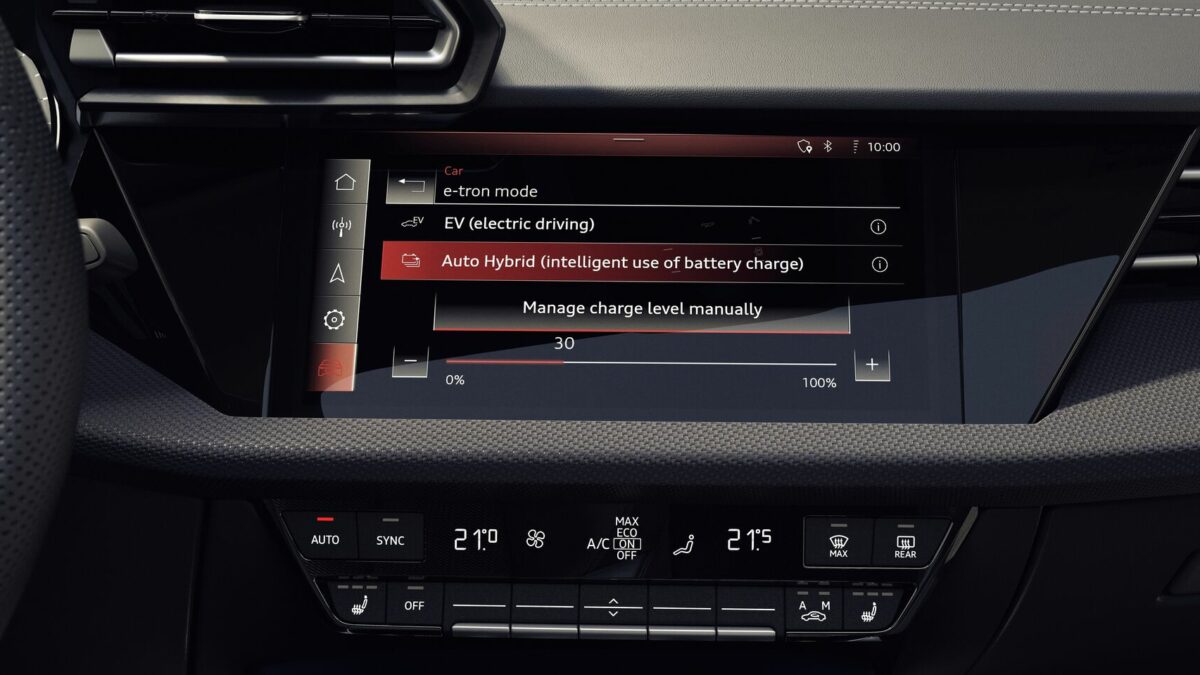
Premium manufacturers are increasingly incorporating this technology into their vehicles, as demonstrated by the Audi Q3 SUV e-hybrid previously featured in CarBook Magazine.
Everyday Convenience
For motorists living in apartments without dedicated charging facilities, a conventional hybrid may offer greater convenience.
Meanwhile, drivers with access to home or workplace charging could benefit from a plug-in hybrid, particularly when their daily journeys fall within the vehicle’s electric driving range.
However, achieving meaningful fuel savings requires regular charging. Purchasing a plug-in hybrid without planning how to recharge it may limit its financial and environmental advantages.
Ownership Costs
The purchase price is only one part of the ownership equation. Buyers should also consider electricity costs, fuel consumption, insurance, servicing requirements and battery warranty coverage.
It is also important to compare real-world driving conditions rather than relying exclusively on advertised fuel economy figures.
Factors such as high-speed motorway driving, air-conditioning use, passenger loads and driving style can influence overall efficiency.
Making the Right Choice
Neither technology is automatically better for every motorist.
Conventional hybrids offer a straightforward transition towards more efficient driving, while plug-in hybrids provide greater opportunities for electric-powered journeys when charging is readily available.
Both technologies represent important steps in the evolution of personal mobility, combining established automotive engineering with modern electrification.
Before purchasing, motorists should arrange a test drive, compare warranty coverage and evaluate how each vehicle fits their daily routine.
Explore more developments in electrification, automotive innovation and future mobility in CarBook Magazine’s coverage of the automotive trends defining 2026.