Automotive Heritage: The Icons That Shaped Modern Performance
Celebrating Automotive Heritage
The history of the automobile is filled with groundbreaking innovations, legendary machines, and visionary engineers. Certain vehicles have become more than just transportation—they represent milestones in design, performance, and cultural influence.
Automotive heritage celebrates these iconic vehicles and the stories behind them. From early racing legends to revolutionary sports cars, these machines continue to inspire the cars we drive today.
The Golden Age of Performance
The 1960s and 1970s are often referred to as the golden age of automotive performance. During this era, manufacturers experimented with new technologies and daring designs that pushed the limits of engineering.
Sports cars became symbols of innovation and freedom. Lightweight construction, powerful engines, and aerodynamic shapes defined the vehicles that captured the imagination of enthusiasts worldwide.
Models such as the Ferrari 250 GTO and the Lamborghini Miura introduced engineering concepts that would influence performance cars for decades.
Porsche and the Evolution of the Sports Car
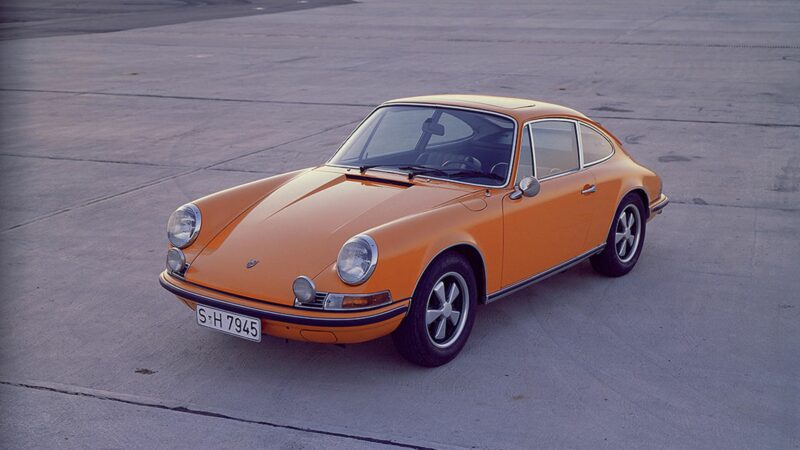
Few vehicles have maintained a legacy as strong as the Porsche 911. Introduced in the early 1960s, the 911 established a design philosophy that continues today.
Its distinctive rear-engine layout and timeless styling have made it one of the most recognizable sports cars in automotive history. Over multiple generations, the 911 has evolved technologically while preserving its original character.
Lamborghini and the Birth of the Supercar
The Lamborghini Miura is widely considered one of the first true supercars. Introduced in 1966, the Miura featured a mid-engine layout that dramatically improved weight distribution and handling.
Its bold styling and powerful V12 engine created a blueprint for future high-performance cars. Today, Lamborghini continues to build upon that legacy with modern hybrid supercars and cutting-edge technology.
Ferrari: Racing DNA on the Road
Ferrari’s heritage is deeply connected to motorsport. The company’s success in Formula 1 and endurance racing has influenced its road cars for generations.
Classic Ferraris combined elegant design with high-performance engineering, creating vehicles that were both beautiful and incredibly fast. Many of these cars are now among the most valuable collector vehicles in the world.
Why Heritage Matters Today
Modern automotive design is heavily influenced by heritage. Many contemporary cars incorporate styling cues and engineering principles inspired by classic models.
Manufacturers recognize that heritage strengthens brand identity and emotional connection with drivers. By honoring their past, companies can create vehicles that feel authentic and meaningful.

The Role of Collectors and Enthusiasts
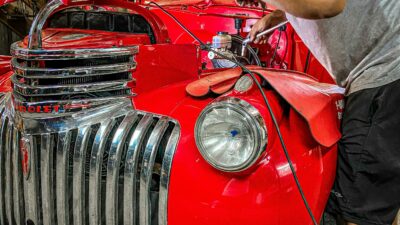
Classic car collectors play an important role in preserving automotive history. Restoring and maintaining vintage vehicles ensures that future generations can appreciate these engineering masterpieces.
Car shows, museums, and historic racing events celebrate the legacy of classic cars and provide opportunities for enthusiasts to experience automotive history firsthand.
Bridging Past and Future
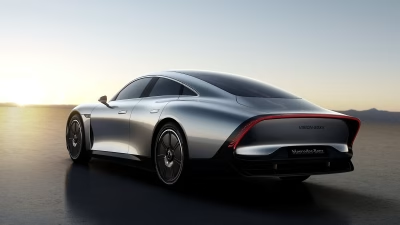
As the automotive industry transitions toward electric mobility and advanced technology, heritage remains a vital part of its identity. Even the most futuristic vehicles carry echoes of the past.
From iconic sports cars to legendary racing machines, automotive heritage reminds us that innovation is built upon the achievements of earlier generations.
For enthusiasts, these vehicles are not simply machines—they are stories of creativity, passion, and engineering excellence.