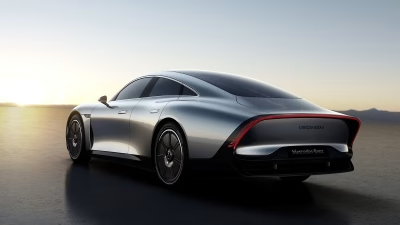
2026 Automotive Trends
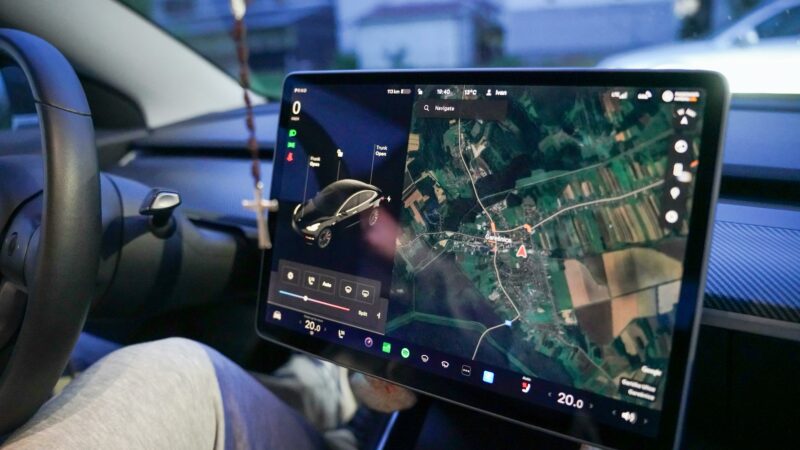
How Technology, Design, and Sustainability Are Reshaping the Driving Experience
The automotive industry is entering one of its most transformative eras. What was once driven purely by engineering and mechanical innovation is now being reshaped by software, sustainability, and user experience. As we move through 2026, the definition of a car is rapidly evolving—from a machine you operate to an intelligent system that adapts, learns, and interacts.
For markets like the UAE, where luxury, performance, and innovation intersect, these changes are not just visible—they are accelerating.
The Electrification Surge Is No Longer Optional
Electric vehicles (EVs) are no longer positioned as alternatives—they are becoming the standard. Automakers are committing billions toward electrification, phasing out internal combustion engines in favor of cleaner, more efficient systems.
What makes modern EVs compelling is not just sustainability, but performance. Instant torque delivers rapid acceleration, while lower maintenance requirements appeal to long-term ownership.
In the UAE, this transition is gaining momentum. Government initiatives, infrastructure expansion, and consumer awareness are driving EV adoption. Charging stations are becoming more accessible, and premium developments are integrating EV-ready facilities.
The perception has shifted. EVs are no longer seen as compromises—they are upgrades.
AI Is Redefining the Driving Experience
Artificial intelligence is quietly becoming the most influential component of modern vehicles. Beyond automation, AI is enhancing personalization, safety, and convenience.
Cars today can:
- Learn driver preferences (seat position, climate, music)
- Suggest routes based on real-time traffic behavior
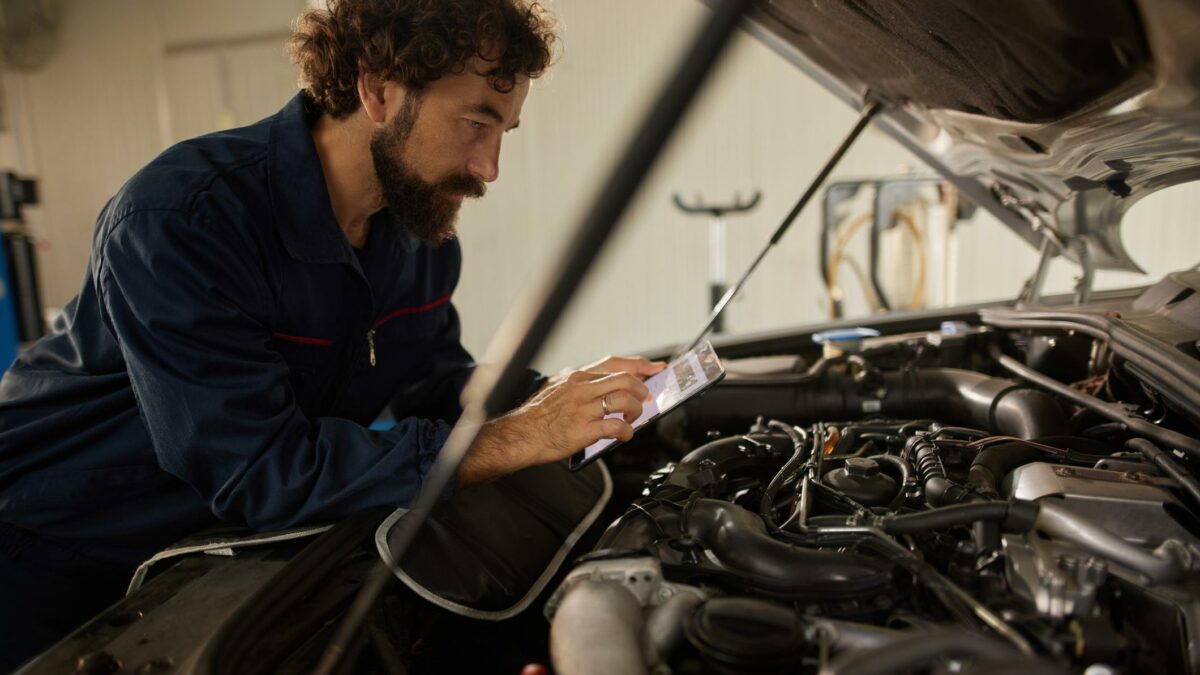
- Predict maintenance issues before they occur
Voice assistants are becoming more natural, allowing drivers to interact with their vehicles conversationally. This reduces distractions and enhances usability.
In essence, the car is becoming a digital companion rather than just a tool.

The Rise of Software-Defined Vehicles
Traditionally, a car’s value was determined by its hardware. Today, software is taking center stage.
Manufacturers are introducing over-the-air (OTA) updates, allowing vehicles to receive new features without visiting a service center. This means your car can improve over time—something that was unimaginable a decade ago.
Features like performance tuning, interface upgrades, and even new driving modes can now be activated digitally.
This shift is redefining ownership. A car is no longer static—it evolves.
Interior Design Is Becoming the New Battleground
As powertrains become more standardized, differentiation is moving inside the cabin.
Modern interiors are focusing on:
- Large, seamless digital displays
- Ambient lighting systems
- Minimalist, clutter-free layouts
- Premium sustainable materials
The goal is to create a space that feels less like a cockpit and more like a lounge.
Passengers are now part of the experience. Rear-seat entertainment, climate zones, and connectivity features are being enhanced to cater to all occupants.
In luxury segments, interiors are becoming the primary selling point.
Autonomous Features: Progress, Not Perfection
Fully autonomous driving is still a work in progress, but semi-autonomous systems are already transforming everyday driving.
Features such as:
- Adaptive cruise control
- Lane-keeping assist
- Automated parking
are becoming standard across many vehicles.
These systems are designed to assist rather than replace the driver, reducing fatigue and improving safety.
In regions like the UAE, where long highway drives are common, these features significantly enhance comfort and convenience.
Sustainability Beyond the Powertrain
Sustainability is no longer limited to electric engines. Automakers are rethinking every aspect of production.
This includes:
- Recycled and eco-friendly interior materials
- Reduced carbon emissions in manufacturing
- Sustainable supply chains
Luxury brands, in particular, are integrating sustainability without compromising on quality or design.
Consumers are becoming more conscious, and brands are responding accordingly.
Design Evolution: Bold Yet Functional
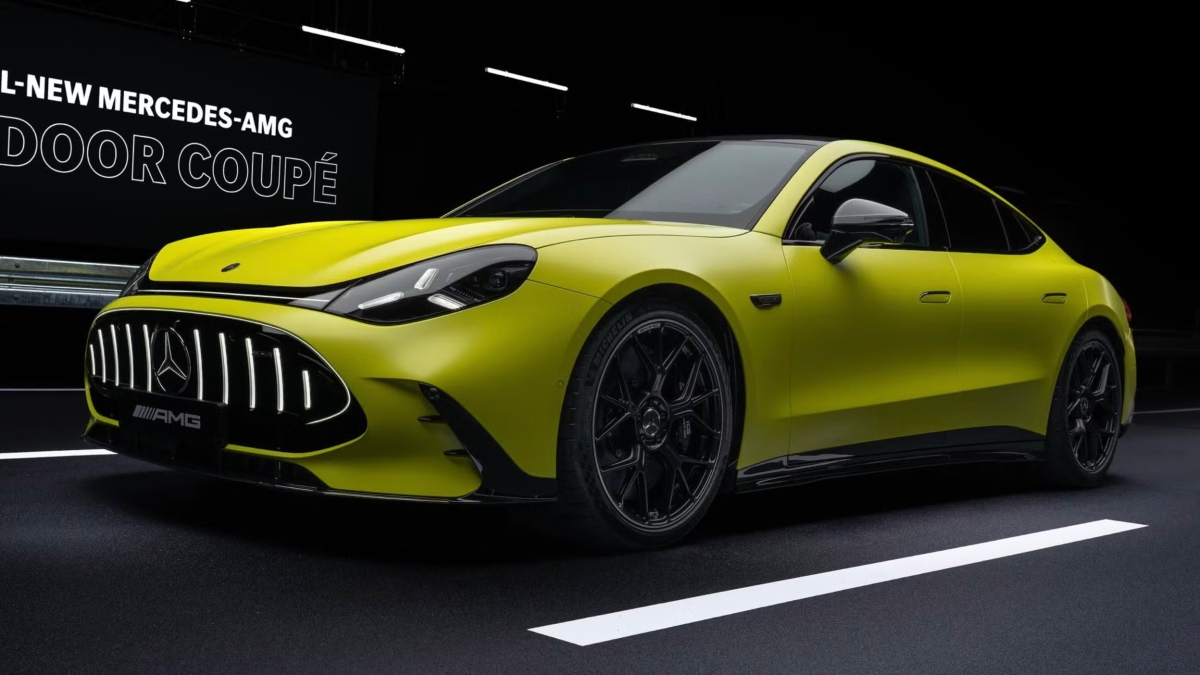
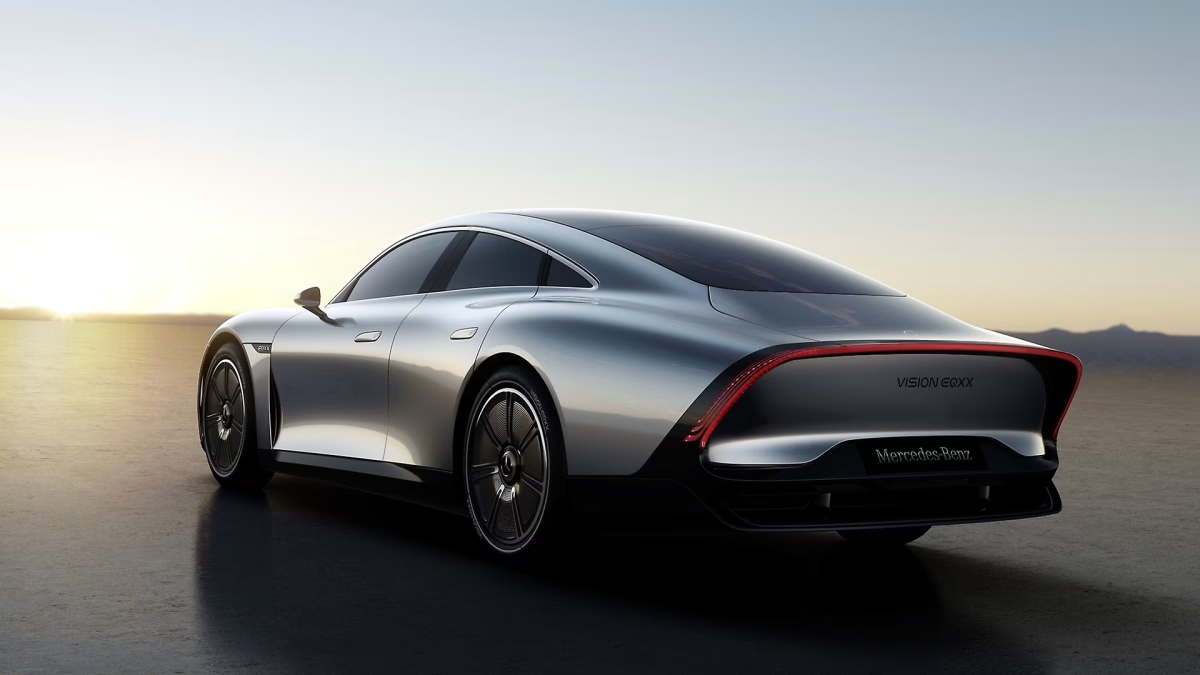
Automotive design is undergoing a noticeable shift. With fewer constraints from traditional engines, designers have more freedom to experiment.
Key trends include:
- Sleeker silhouettes
- Aerodynamic efficiency
- Distinctive LED lighting signatures
Front grilles are evolving—or disappearing altogether—especially in EVs.
Design is no longer just about aesthetics; it is about identity. Cars are becoming more expressive, reflecting brand philosophy and technological advancement.
Connectivity and the Digital Ecosystem
Cars are now part of a broader digital ecosystem. Integration with smartphones, smart homes, and wearable devices is becoming seamless.
Drivers can:
- Start their car remotely
- Monitor vehicle status via apps
- Sync calendars and navigation systems
This level of connectivity enhances convenience and creates a more integrated lifestyle.
The Subscription Model and Ownership Shift
Another emerging trend is the shift from traditional ownership to flexible models.
Some manufacturers are offering:
- Subscription-based features
- Short-term leasing options
- Access to multiple vehicles under one plan
This reflects changing consumer behavior, particularly among younger buyers who value flexibility over ownership.
Performance in the Age of Electrification
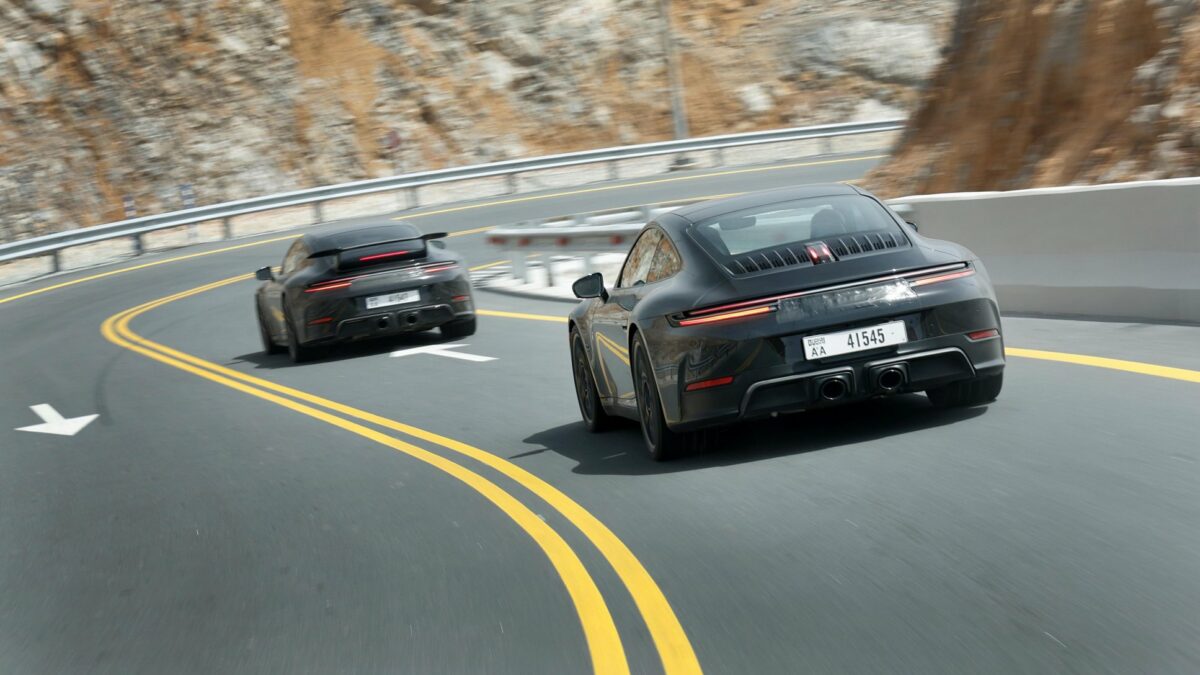
Performance is being redefined. Electric vehicles are proving that speed and sustainability can coexist.
High-performance EVs are delivering:
- Instant acceleration
- Advanced torque distribution
- Lower center of gravity
This creates a driving experience that is both thrilling and controlled.
For enthusiasts, this marks a new chapter—one where performance is enhanced by technology rather than limited by it.
The UAE as a Future Mobility Hub
The UAE is positioning itself as a leader in automotive innovation. With smart city initiatives and investments in infrastructure, the region is embracing the future of mobility.
Autonomous transport trials, EV incentives, and digital integration are all part of this vision.
For consumers, this means access to cutting-edge technology earlier than many global markets.
Challenges Ahead
Despite the progress, challenges remain:
- Charging infrastructure expansion
- Battery production sustainability
- Regulatory frameworks for autonomous driving
However, the pace of innovation suggests that these challenges will be addressed in the coming years.
Final Thoughts: A New Era of Driving
The car is no longer just a machine—it is an experience.
From AI-driven systems to electric performance and digital connectivity, every aspect of driving is being reimagined.
For platforms like CarBook, this evolution offers endless stories to tell. The future of automotive is not just about what we drive—it is about how we interact, experience, and connect with our vehicles.
As 2026 unfolds, one thing is clear: the road ahead is smarter, cleaner, and far more exciting than ever before.