Hydrogen vs Electric: The Future Fight
For the past decade, electric vehicles (EVs) have dominated the conversation around the future of mobility.
Governments are incentivizing EV adoption, automakers are investing billions in battery technology, and charging networks are expanding at an unprecedented pace. Yet, beneath this electric surge, another contender is quietly re-entering the arena: hydrogen-powered vehicles.
The Rise of Electric Vehicles
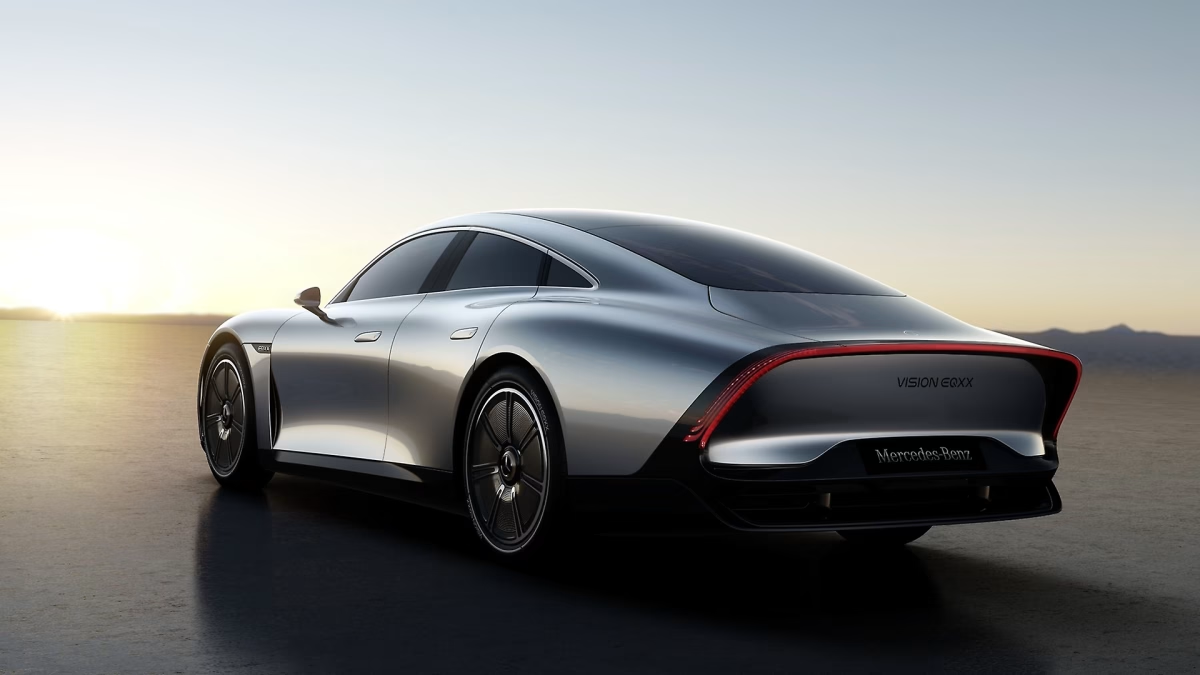
Electric cars have earned their place in the spotlight due to their efficiency, lower emissions, and rapid technological advancements. Brands like Tesla, BMW, and Mercedes-Benz have pushed the boundaries of EV design and performance, making electric cars both aspirational and practical.
In the UAE, EV adoption is growing steadily, supported by government initiatives, free charging stations in some areas, and a push toward sustainability aligned with long-term national strategies.
Hydrogen: The Underrated Contender
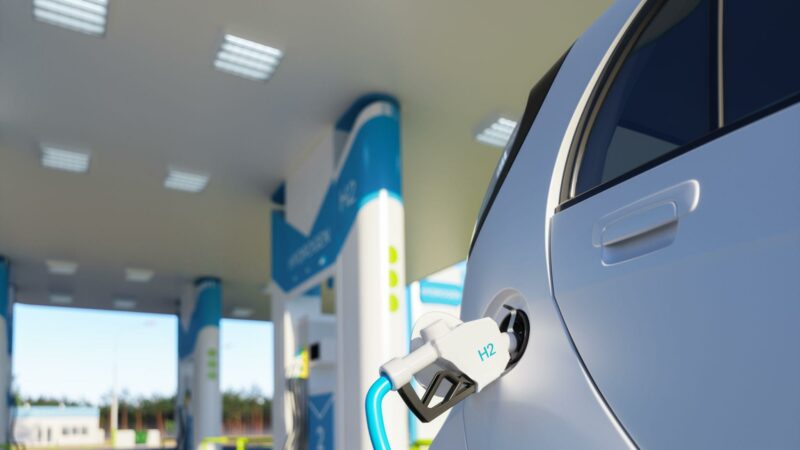
Hydrogen fuel cell vehicles (FCVs) operate differently. Instead of storing electricity in a battery, they generate electricity through a chemical reaction between hydrogen and oxygen. The only emission? Water vapor.
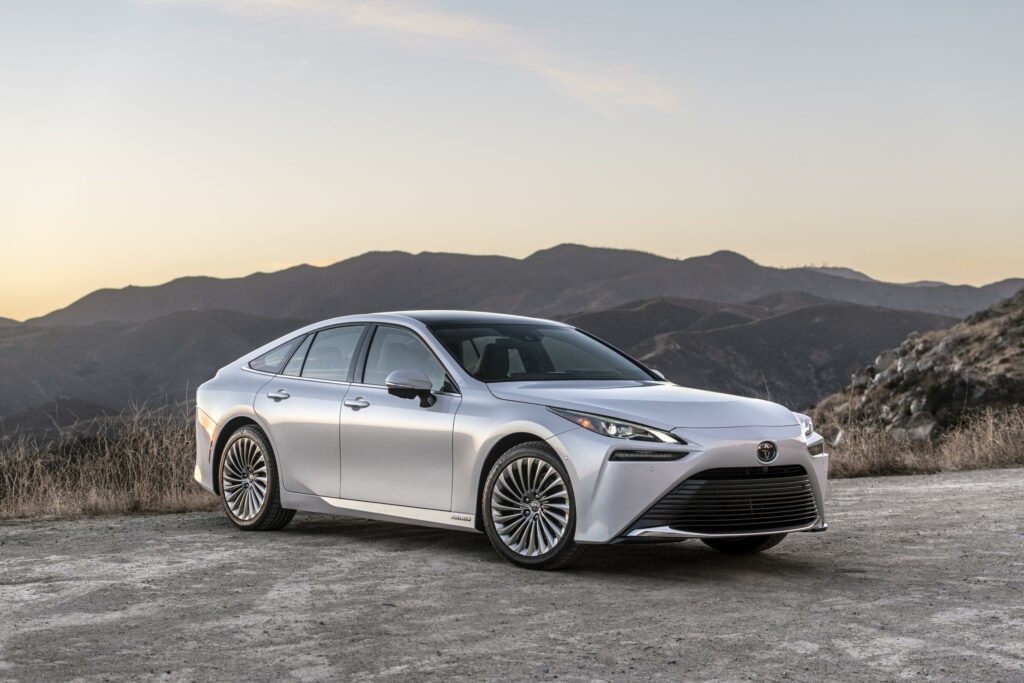
Brands like Toyota and Hyundai have remained committed to hydrogen, introducing models such as the Mirai and Nexo. These vehicles offer quick refueling times—often under five minutes—and longer driving ranges compared to many EVs.
Key Differences That Matter
- Refueling Time: Hydrogen vehicles can be refueled in minutes, while EVs require longer charging times.
- Infrastructure: EV charging stations are widely expanding; hydrogen stations remain limited.
- Range: Hydrogen vehicles often offer longer ranges.
- Efficiency: EVs are currently more energy-efficient overall.
The UAE Perspective
The UAE has already begun exploring hydrogen as part of its clean energy strategy. With projects focused on green hydrogen, the region could become a global hub for this technology. This positions hydrogen not as a replacement for EVs, but as a complementary solution.
Challenges Ahead
Hydrogen faces major hurdles, particularly in infrastructure and production costs. Producing green hydrogen sustainably remains expensive, and building a global refueling network requires massive investment.
The Road Ahead
Rather than a winner-takes-all scenario, the future may involve coexistence. EVs may dominate urban mobility, while hydrogen could power long-distance transport, heavy vehicles, and specialized applications.
Conclusion
The battle between hydrogen and electric vehicles is not about competition—it is about evolution. As technology advances and infrastructure develops, both solutions may play critical roles in shaping a cleaner, smarter automotive future.