Porsche CEO Rules Out an Electric 911, Preserving an Automotive Icon
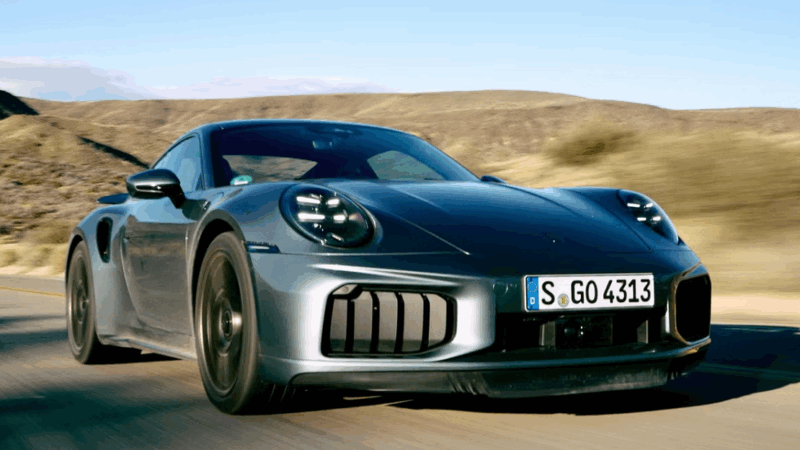
In a move that will delight driving enthusiasts around the world, Porsche CEO Michael Leiters has reportedly confirmed that the legendary Porsche 911 will not become a fully electric vehicle, despite the brand’s ongoing transition toward electrification across much of its lineup.
The announcement comes at a time when many automotive manufacturers are rapidly expanding their electric vehicle portfolios in response to tightening emissions regulations and growing consumer demand for sustainable mobility. While Porsche continues to invest heavily in electric technology, the company appears determined to protect the unique identity of its most iconic sports car.
The Porsche 911 has long been regarded as one of the most recognizable and celebrated performance cars in automotive history. Since its debut in 1964, the model has built a reputation for delivering a distinctive driving experience powered by a rear-mounted flat-six engine, precise handling, and a character that has remained remarkably consistent through generations of development.
According to reports, Porsche believes that converting the 911 into a fully electric vehicle would fundamentally alter the characteristics that have made the car a global benchmark for sports-car performance. The sound, responsiveness, weight distribution, and emotional connection provided by its combustion engine remain central to the vehicle’s appeal.
This does not mean Porsche is turning its back on electrification. In recent years, the German manufacturer has successfully launched the Taycan, its first fully electric sports sedan, which has received widespread acclaim for combining impressive performance with everyday usability. The company is also expanding electric options throughout its model range, including future versions of its SUVs and other passenger vehicles.
Instead, Porsche appears committed to a dual strategy: embracing electric mobility where it makes sense while preserving traditional performance engineering in the 911. The company has already introduced hybrid technology into parts of its lineup and is expected to continue exploring alternative solutions, including performance-focused hybrid systems and potentially synthetic fuels, to help reduce emissions without sacrificing the driving experience enthusiasts expect.
For many Porsche loyalists, the decision will be welcomed as a sign that the brand understands the emotional significance of the 911. Unlike many vehicles that evolve dramatically over time, the 911 has maintained a strong connection to its heritage while continuously adopting new technology and performance improvements.
Industry analysts note that while electric sports cars can deliver extraordinary acceleration, they often struggle to replicate the engagement, sound, and mechanical feel that enthusiasts associate with traditional high-performance machines. Porsche’s decision suggests that the company believes there is still a place in the future automotive landscape for carefully engineered combustion-powered sports cars.
As governments and manufacturers continue to navigate the transition toward cleaner transportation, Porsche’s stance highlights the challenge of balancing innovation with heritage. The company is investing in the future of electric mobility while ensuring that one of the most beloved sports cars ever created remains true to its roots.
For now, Porsche enthusiasts can breathe a sigh of relief: the iconic 911 appears set to retain the engine that has defined it for more than six decades, even as the automotive industry accelerates toward an electric future.