Software-Defined Cars Are Changing the Auto Industry
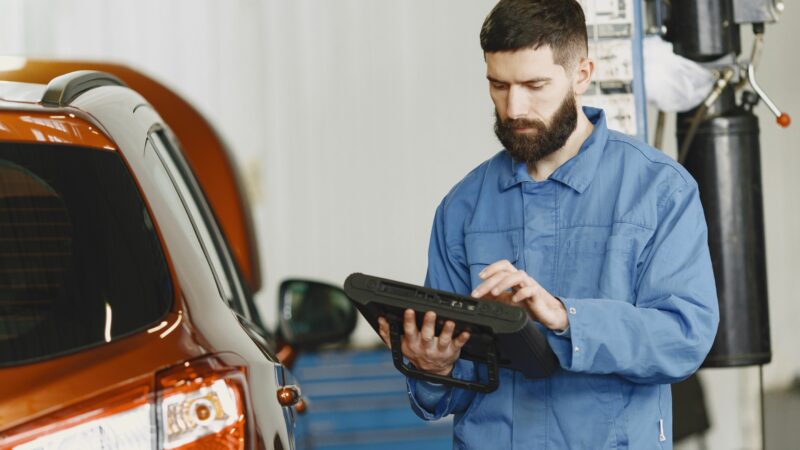
The automotive world is entering a new era where software is becoming just as important as horsepower. Today’s vehicles are no longer defined solely by their engines, performance figures, or exterior styling. Instead, software is transforming how cars are built, updated, and experienced, making them smarter, safer, and more connected than ever before.
Automakers across the industry are rapidly shifting toward software-defined vehicles (SDVs)—cars that rely on advanced software platforms to control everything from infotainment and navigation to safety systems and power management. This transition is changing the way manufacturers design their vehicles while creating entirely new ownership experiences for drivers.
Unlike traditional vehicles, software-defined cars continue to improve long after they leave the showroom. Over-the-air (OTA) updates allow manufacturers to introduce new features, enhance battery efficiency, improve driver assistance systems, and fix software issues without requiring owners to visit a dealership. What was once reserved for smartphones has now become a standard expectation in modern automobiles.
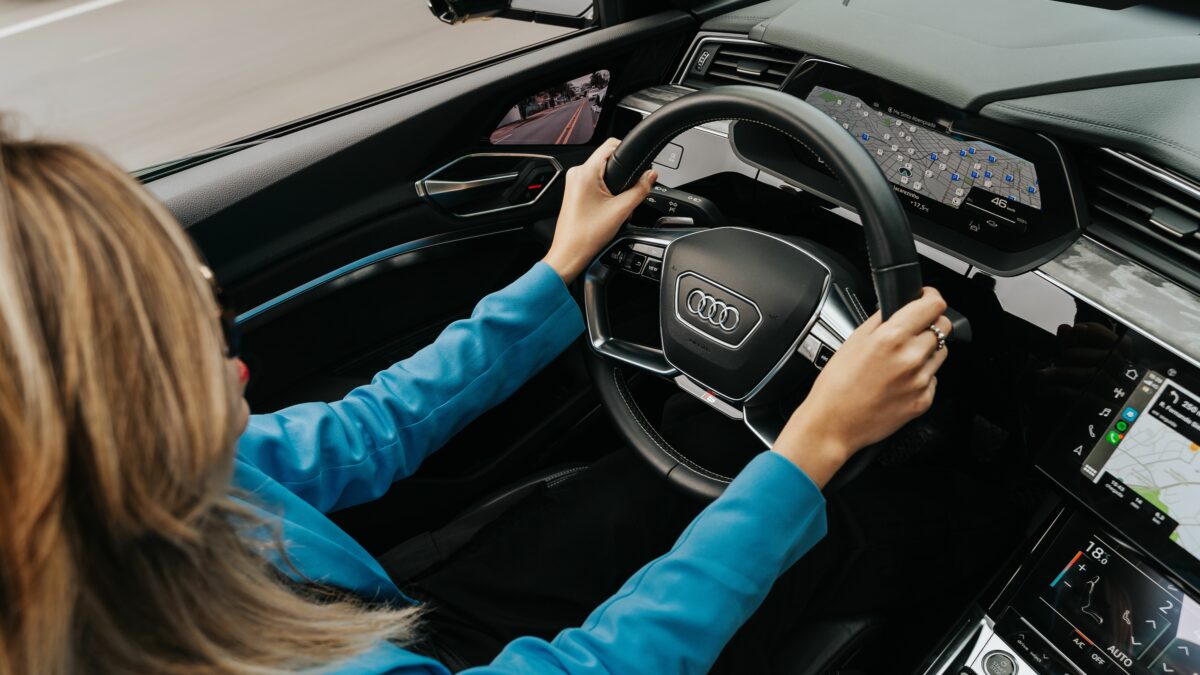
Artificial intelligence is also playing a growing role inside the cabin. Voice assistants are becoming more conversational, learning driver preferences for climate control, seating positions, navigation routes, and entertainment choices. Instead of simply responding to commands, tomorrow’s vehicles will anticipate driver needs before they are even requested.
Advanced Driver Assistance Systems (ADAS) continue to evolve as well. Modern cameras, radar, and LiDAR sensors are helping vehicles detect hazards earlier, assist with lane changes, monitor blind spots, and improve highway driving. While fully autonomous driving remains under development, these technologies are making everyday driving significantly safer.
Connectivity has become another defining feature of today’s premium vehicles. Drivers can remotely lock or unlock doors, monitor battery charging, pre-condition cabin temperatures, locate parked vehicles, and even receive predictive maintenance alerts through smartphone applications. Cars are becoming extensions of the connected digital lifestyle.
Behind the scenes, manufacturers are redesigning the way vehicles are engineered. Instead of building dozens of unique electronic systems, companies are simplifying production through shared software platforms and modular architectures. This reduces manufacturing complexity while allowing new technologies to be introduced more quickly across multiple vehicle models. Major manufacturers including Volkswagen, Toyota, Ford, and Stellantis are actively reducing model complexity while investing heavily in unified software platforms.
However, this digital transformation also creates new challenges. Cybersecurity has become a top priority as connected vehicles exchange increasing amounts of data. Automakers are investing heavily in encryption, secure operating systems, and continuous software monitoring to protect drivers from potential cyber threats.
The growing sophistication of vehicle technology is also increasing demand for powerful computer hardware. Industry analysts note that AI-powered infotainment systems and advanced driver assistance features require significantly more onboard memory and processing power than previous generations, contributing to higher development costs across the automotive sector.
For consumers, the benefits are clear. Vehicles are becoming safer, smarter, and more personalised while receiving continuous improvements throughout their lifespan. Instead of purchasing a car that remains unchanged for years, owners now enjoy a product that evolves with every software update.
As software increasingly defines the future of mobility, one thing is becoming certain: tomorrow’s best cars will not simply be judged by how fast they accelerate or how luxurious they feel—they will also be measured by the intelligence of the technology powering every journey.