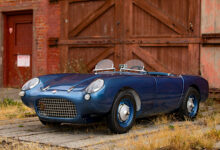
The Timeless Elegance of Classic Open-Top Motoring
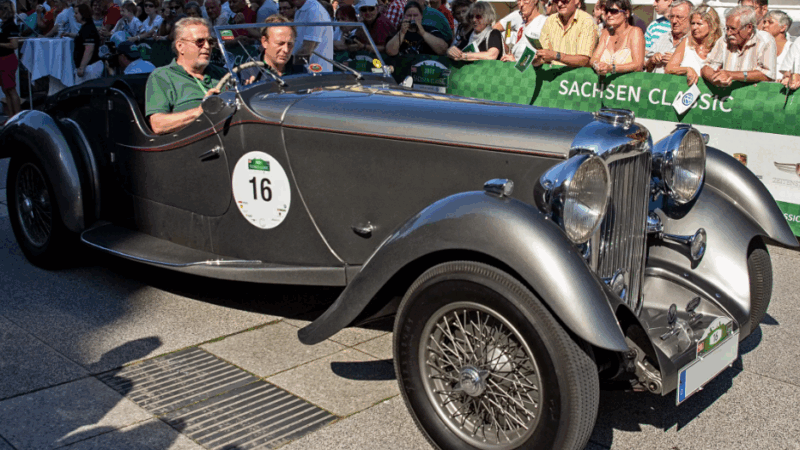
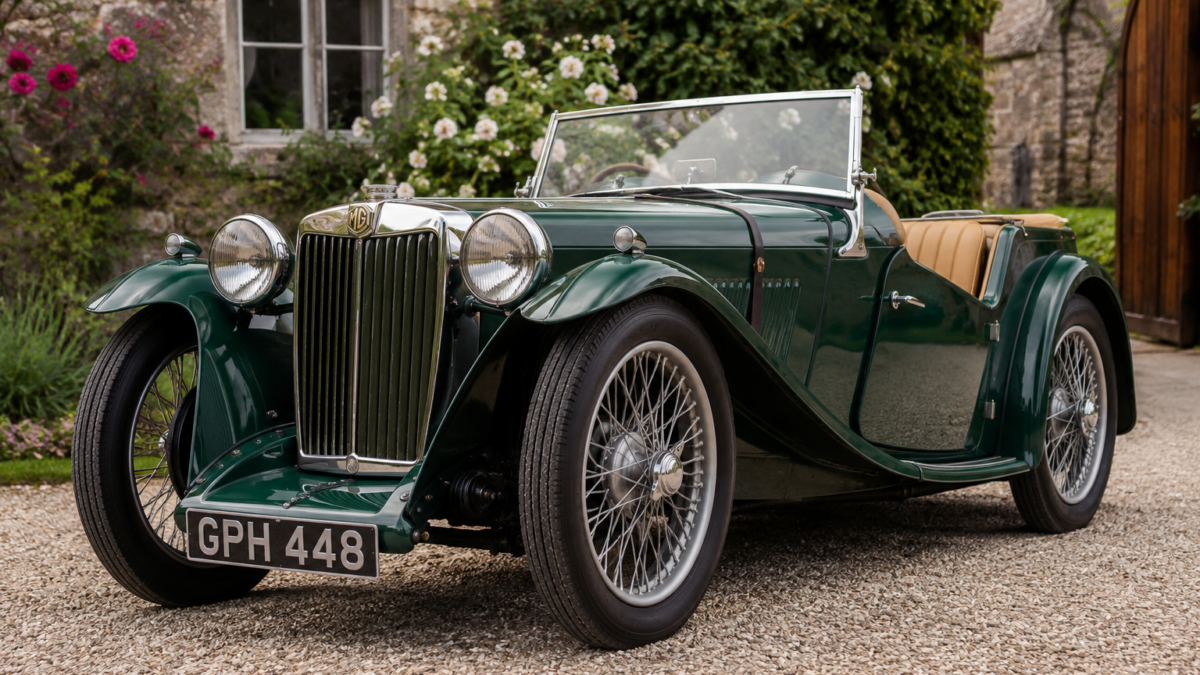
Classic automobiles possess a unique ability to transport enthusiasts back to a golden era of motoring, where craftsmanship, elegance, and driving pleasure took precedence over technology and automation. The beautifully preserved vintage roadster seen here is a perfect example of that enduring appeal, representing a period when automobiles were not merely modes of transportation but works of art on wheels.
With its sweeping fenders, long bonnet, wire-spoke wheels, and elegant open-top design, the car captures the spirit of 1930s grand touring. Vehicles of this era were handcrafted with meticulous attention to detail, featuring flowing body lines and luxurious finishes that reflected both engineering excellence and artistic design. Every curve and chrome accent was carefully shaped to create a vehicle that was as visually striking as it was enjoyable to drive.
Classic roadsters became symbols of prestige and adventure during the early decades of automotive history. Wealthy enthusiasts often used these cars for long-distance touring across Europe, enjoying the freedom of open-air driving while exploring scenic countryside roads. The experience was vastly different from modern motoring, with drivers feeling every aspect of the road and machine beneath them.
One of the most fascinating characteristics of vintage automobiles is their mechanical purity. Unlike today’s vehicles, which rely heavily on electronic systems and driver assistance technologies, classic cars offer a direct connection between driver and machine. Steering, braking, gear changes, and acceleration require skill and engagement, making every journey a memorable experience.
Events dedicated to historic automobiles continue to attract enthusiasts from around the world. Classic car rallies, concours exhibitions, and heritage motoring festivals celebrate the preservation of automotive history while allowing owners to showcase their prized vehicles. These gatherings bring together collectors, historians, engineers, and fans who share a passion for preserving the legacy of motoring’s most iconic creations.
The restoration process itself is often a labor of love. Many classic car owners spend years sourcing rare components, rebuilding engines, restoring interiors, and returning vehicles to their original condition. The goal is not simply to maintain a valuable asset but to preserve a piece of history for future generations to appreciate.
Beyond their beauty, vintage automobiles also tell the story of technological progress. Cars from the 1930s introduced innovations that would eventually become standard throughout the industry. Improved suspension systems, stronger chassis designs, enhanced braking technology, and more powerful engines helped shape the future of automotive engineering.
Collectors increasingly view historic vehicles as both cultural treasures and valuable investments. Rare models with documented histories often appreciate significantly over time, particularly when maintained in original or concours-quality condition. However, for many enthusiasts, the true value lies not in financial returns but in the joy of ownership and the connection to a remarkable era of automotive achievement.
Today, as the automotive industry rapidly embraces electrification, artificial intelligence, and autonomous technologies, classic cars serve as a reminder of the industry’s rich heritage. They celebrate a time when driving was an event, design was deeply personal, and craftsmanship defined every vehicle.
Whether displayed at prestigious automotive events or driven along scenic roads, classic roadsters continue to captivate audiences around the world. Their timeless beauty, historical significance, and emotional appeal ensure that these magnificent machines will remain cherished symbols of motoring excellence for generations to come.