7 Simple DIY Car Maintenance Checks Every Driver Should Know
Keeping your car in excellent condition doesn’t always require a trip to the garage. With a few simple maintenance checks, you can improve safety, extend your vehicle’s lifespan, and even reduce repair costs. While complex mechanical work should always be left to professionals, these easy DIY tasks can be performed by almost any car owner with minimal tools and a little time.
1. Check Your Tire Pressure
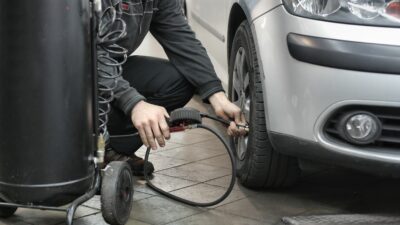
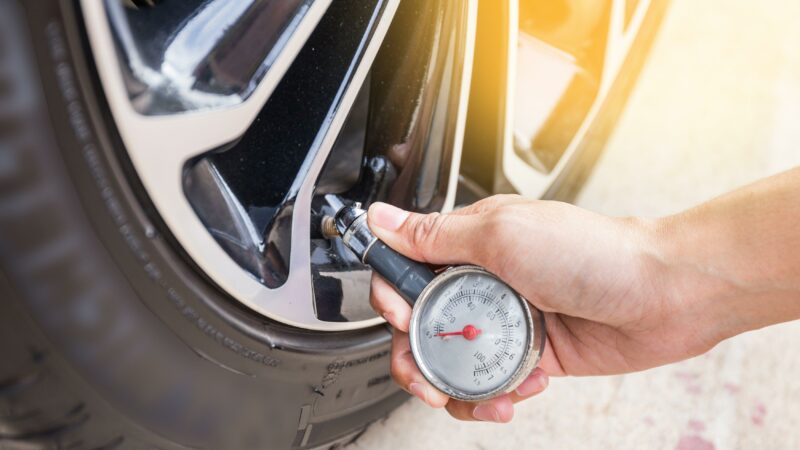
Proper tire pressure is essential for safety, fuel efficiency, and tire longevity. Underinflated tires increase fuel consumption and wear unevenly, while overinflated tires can reduce grip and ride comfort.
Use a tire pressure gauge at least once a month and compare the readings with the recommended pressure listed on the driver’s door jamb or in the owner’s manual. Don’t forget to check the spare tire as well.
2. Inspect Engine Oil
Engine oil keeps internal components lubricated and prevents excessive wear. Low or dirty oil can lead to costly engine damage.
Park on a level surface, switch off the engine, and allow it to cool for a few minutes. Remove the dipstick, wipe it clean, reinsert it, and check the oil level. If it’s below the minimum mark, top it up using the correct oil grade specified by the manufacturer.
3. Top Up Windshield Washer Fluid
A clean windshield is essential for good visibility, especially during dusty conditions or long road trips.
Open the hood and locate the washer fluid reservoir, usually marked with a windshield symbol. Fill it with quality washer fluid instead of plain water for better cleaning performance.
4. Test All Exterior Lights
Working headlights, brake lights, indicators, and reverse lights are essential for road safety.
Walk around your vehicle while someone operates the lights, or use reflections from a wall or garage door to check them yourself. Replace any burnt-out bulbs promptly.
5. Examine Windshield Wipers
Worn wiper blades can leave streaks and reduce visibility during rain.
Inspect the rubber blades for cracks or splits. If they smear water or make excessive noise, it’s time to replace them. Most wiper blades can be changed in just a few minutes without special tools.
6. Inspect Battery Terminals
A healthy battery ensures reliable starts, especially during extreme temperatures.
Look for corrosion around the battery terminals. If you notice white or bluish deposits, carefully clean them using a battery terminal cleaner or a mixture of baking soda and water while following proper safety precautions.
7. Check Coolant Level
Your engine relies on coolant to maintain the correct operating temperature.
When the engine is completely cool, inspect the coolant reservoir. The level should be between the “MIN” and “MAX” markings. Never remove the radiator cap while the engine is hot.
Drive Smarter with Regular Maintenance
Spending just 15 to 20 minutes each month performing these simple inspections can help prevent unexpected breakdowns and improve your vehicle’s overall performance. Regular DIY maintenance also helps you identify small issues before they become expensive repairs.
While these checks are easy for most drivers, always follow your vehicle’s owner’s manual and leave complex repairs, brake work, suspension issues, and engine diagnostics to qualified technicians. A little preventative care goes a long way in keeping your car safe, reliable, and ready for every journey.