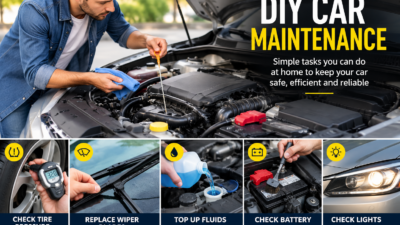
The 10-Minute DIY Checks Every Driver Should Know
Owning a car doesn’t always require advanced mechanical knowledge or expensive workshop visits. In fact, some of the most important maintenance tasks take less than ten minutes and can help prevent unexpected breakdowns, improve safety, and extend the life of your vehicle. Whether you drive a luxury SUV, a family sedan, or a high-performance sports car, these quick DIY checks should become part of your weekly routine.
1. Check Your Tyre Pressure
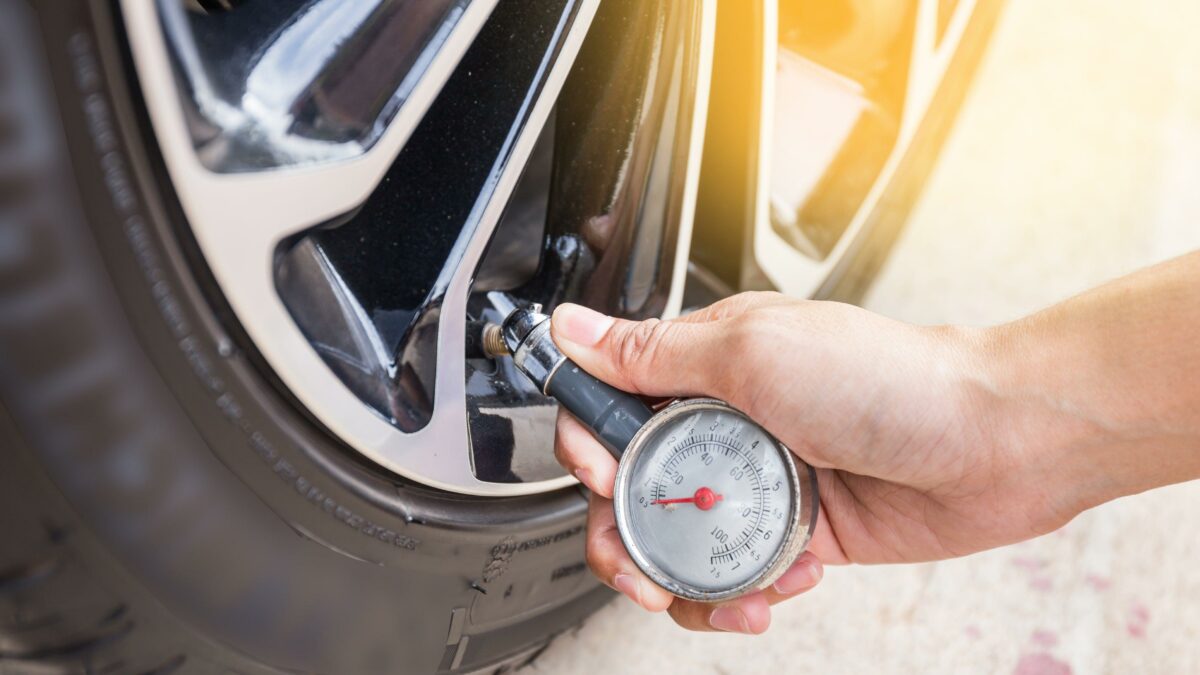
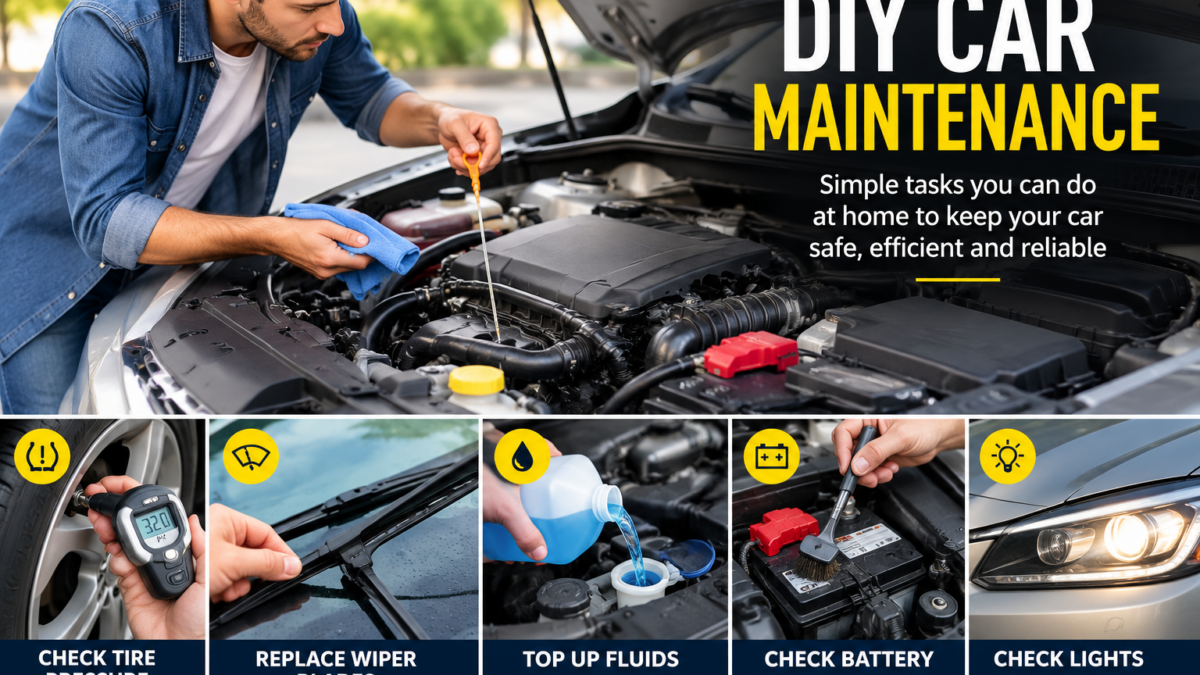
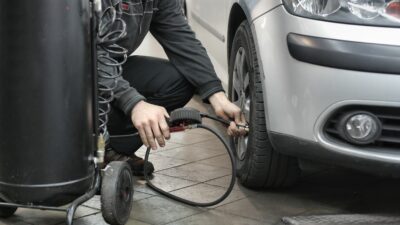
Your tyres are the only part of the vehicle that touches the road, making them one of the most important safety components. Incorrect tyre pressure can reduce fuel efficiency, increase tyre wear, and affect handling. Most modern vehicles display the recommended pressure on the driver’s door frame or in the owner’s manual. A portable tyre pressure gauge is inexpensive and can help ensure your tyres remain properly inflated.
2. Inspect Engine Oil
Engine oil lubricates critical engine components and prevents excessive wear. Park the vehicle on a level surface, wait a few minutes after turning off the engine, and use the dipstick to check the oil level. If the oil is below the recommended mark or appears excessively dark and dirty, it may be time for a top-up or an oil change.
3. Check Coolant Levels
Your cooling system keeps the engine operating at the correct temperature. Low coolant levels can lead to overheating, especially during the summer months. Always check the coolant reservoir when the engine is cold and ensure the level sits between the minimum and maximum markings.
4. Test All Exterior Lights
Walk around your vehicle and verify that your headlights, brake lights, indicators, fog lights, and reverse lights are functioning properly. A burned-out bulb is a simple fix but can significantly reduce visibility and compromise safety.
5. Examine Wiper Blades
Clear visibility is essential during rain or dusty conditions. If your wipers leave streaks, make noise, or skip across the windscreen, they should be replaced. New wiper blades are inexpensive and can usually be installed in just a few minutes.
6. Top Up Washer Fluid
Windshield washer fluid helps remove dirt, insects, and road grime. Keeping the reservoir full ensures you always have a clear view of the road, particularly during long-distance travel.
7. Inspect the Battery
Modern car batteries require minimal maintenance, but a quick visual inspection can reveal corrosion around the terminals or loose connections. If your vehicle starts slowly, it may be an early sign that the battery needs testing or replacement.
8. Check Tyre Tread Depth
Even if tyre pressure is correct, worn tread reduces grip on wet roads and increases braking distance. Look for uneven wear or visible damage. If the tread is approaching the legal limit, it’s time to replace the tyres.
9. Listen for Unusual Sounds
While driving, pay attention to new noises such as squealing brakes, suspension knocks, or engine vibrations. Identifying unusual sounds early can help prevent minor issues from becoming expensive repairs.
10. Keep an Emergency Kit Ready
Every vehicle should carry basic emergency essentials, including a first-aid kit, jumper cables, flashlight, tyre inflator, reflective warning triangle, phone charger, and bottled water. These items can make a significant difference during unexpected situations.
Why DIY Checks Matter
Regular inspections not only reduce maintenance costs but also improve road safety and vehicle reliability. Spending just ten minutes each week checking your vehicle can help identify small problems before they develop into costly mechanical failures.
Professional servicing remains essential, but combining routine workshop maintenance with simple DIY inspections gives drivers greater confidence and peace of mind. A well-maintained vehicle performs better, lasts longer, and delivers a safer driving experience for everyone on the road.