The Hidden Costs of Ignoring Your Car’s Air Filter
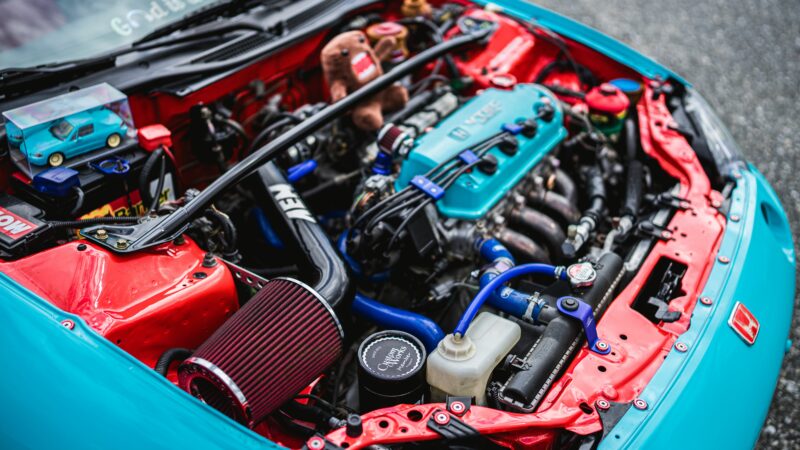
A car’s engine depends on a steady flow of clean air to perform efficiently. While many drivers remember to change the engine oil or inspect the brakes, one small but essential component is often overlooked—the engine air filter. Ignoring this inexpensive part can lead to reduced performance, higher fuel consumption, and even costly repairs over time.
What Does an Engine Air Filter Do?
The engine air filter prevents dust, dirt, insects, and other airborne debris from entering the engine. Clean air is crucial for the combustion process, allowing the engine to mix fuel and oxygen efficiently. A clogged or dirty air filter restricts airflow, forcing the engine to work harder than necessary.
Signs Your Air Filter Needs Replacing
There are several warning signs that indicate it’s time to replace your air filter:
- Reduced engine performance
- Slower acceleration
- Increased fuel consumption
- Rough idling
- Unusual engine sounds
- A dirty or blackened filter upon inspection
Many modern vehicles may also trigger a check engine light if airflow becomes severely restricted.
Fuel Economy Can Suffer
One of the most noticeable effects of a clogged air filter is lower fuel efficiency. Since the engine isn’t receiving enough clean air, the combustion process becomes less efficient. The result is higher fuel consumption, meaning you’ll spend more money at the pump.
While the exact impact varies depending on the vehicle and driving conditions, replacing a dirty air filter is one of the simplest and most affordable ways to help maintain optimal fuel economy.
Engine Performance Declines
Restricted airflow limits the amount of oxygen entering the engine, reducing its ability to generate power. Drivers may notice sluggish acceleration, delayed throttle response, or difficulty maintaining highway speeds.
For drivers who frequently travel long distances or tow heavy loads, a clean air filter is especially important for maintaining engine performance.
Protecting Internal Engine Components
The air filter’s primary job is protection. Without proper filtration, dust and abrasive particles can enter the engine and accelerate wear on cylinders, pistons, valves, and other internal components.
Replacing a worn air filter costs very little compared to the thousands of dollars required for major engine repairs.
How Often Should You Replace It?
Most manufacturers recommend replacing the engine air filter every 15,000 to 30,000 kilometers, although this interval may vary depending on driving conditions.
Drivers who regularly travel on dusty roads, construction sites, or desert environments should inspect and replace the filter more frequently.
Always consult your vehicle’s owner’s manual for the recommended maintenance schedule.
A Simple DIY Maintenance Task
Replacing an engine air filter is one of the easiest maintenance jobs for most vehicles. In many cars, it takes less than ten minutes and requires no special tools.
Simply open the air filter housing, remove the old filter, clean any loose debris from the housing, install the new filter in the correct orientation, and securely close the cover.
If you’re unsure, a qualified service technician can replace it during a routine maintenance visit.
Final Thoughts
Small maintenance tasks often make the biggest difference in the long-term health of your vehicle. Replacing your engine air filter on schedule helps improve engine performance, maintain fuel efficiency, reduce harmful emissions, and protect expensive engine components from premature wear.
A clean air filter is a small investment that delivers lasting benefits every time you drive.