5 Easy DIY Car Maintenance Tasks Every Driver Should Know
Regular vehicle maintenance doesn’t always require a trip to the workshop. In fact, several essential checks can be completed at home with minimal tools and only a few minutes of your time. Performing simple DIY maintenance not only helps extend your vehicle’s lifespan but can also improve safety, fuel efficiency, and overall performance.
Here are five easy maintenance tasks every driver should know.
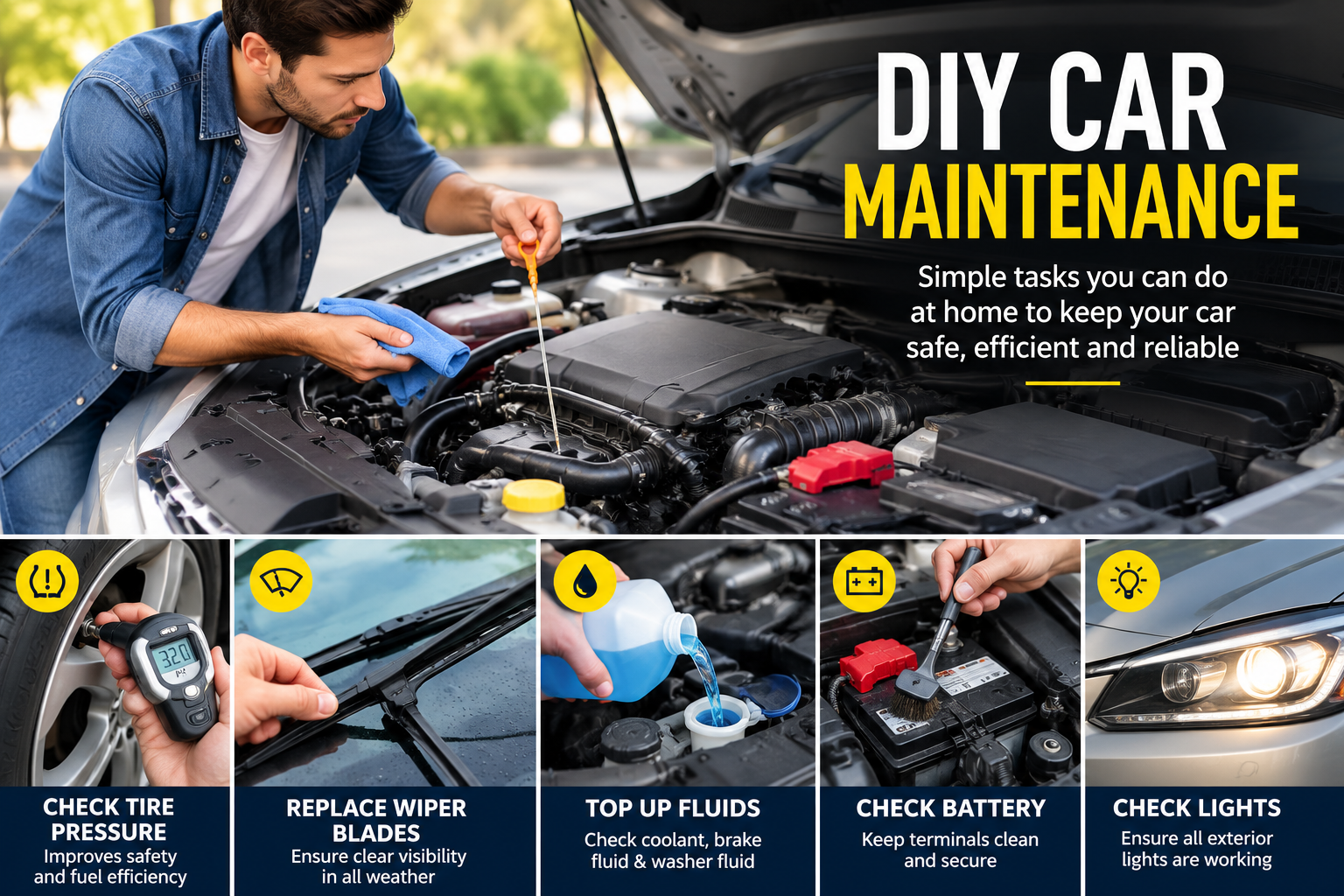
1. Check Your Engine Oil Engine oil is the lifeblood of your vehicle. It lubricates moving parts, reduces friction, and helps prevent engine overheating. To check the oil: Park the car on level ground and turn off the engine. Wait a few minutes for the oil to settle.
Remove the dipstick, wipe it clean, reinsert it, then pull it out again. Ensure the oil level is between the minimum and maximum marks. If the oil appears very dark, gritty, or the level is low, it’s time to top up or schedule an oil change.
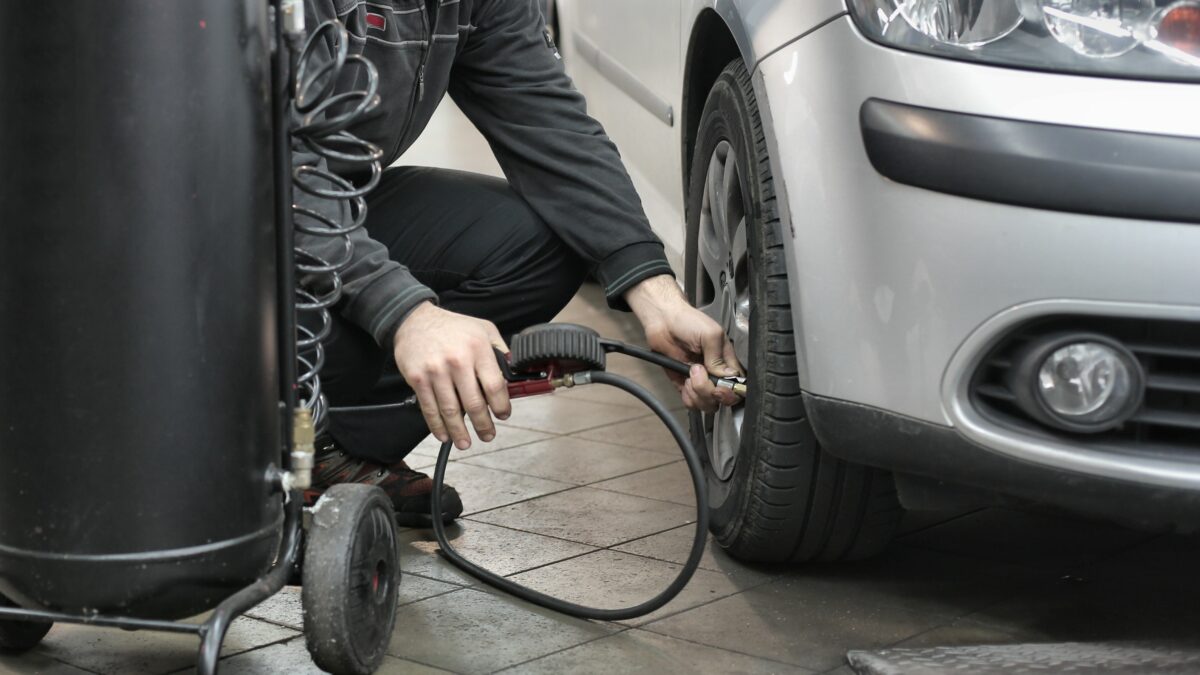
2. Inspect Tire Pressure Incorrect tire pressure affects fuel economy, handling, braking performance, and tire lifespan. Use a digital tire pressure gauge to check each tire when it’s cold. Compare the reading with the recommended pressure found on the driver’s door sticker or in the owner’s manual. Don’t forget to check the spare tire if your vehicle has one. Maintaining the correct tire pressure can improve fuel efficiency and reduce uneven tire wear.
3. Replace Windshield Wiper Blades Poor visibility is one of the biggest safety hazards during rainy weather. If your wipers leave streaks, skip across the windshield, or make excessive noise, they likely need replacing. Most modern wiper blades can be replaced in just a few minutes without any special tools. Experts recommend replacing them every 6 to 12 months depending on weather conditions.
4. Check Battery Terminals A weak battery can leave you stranded without warning. Open the bonnet and inspect the battery terminals for white or green corrosion. If corrosion is present: Disconnect the battery (negative terminal first). Clean the terminals carefully using a battery cleaning brush or a mixture of baking soda and water. Dry thoroughly before reconnecting. Always wear gloves and eye protection when working around batteries.
5. Top Up Essential Fluids Your vehicle depends on several fluids to operate correctly. Regularly inspect: Windshield washer fluid Coolant Brake fluid Power steering fluid (if applicable) Transmission fluid (where accessible) Only use fluids recommended by your vehicle manufacturer, and never open the coolant reservoir while the engine is hot.
Create a Monthly Maintenance Routine Many automotive experts recommend performing a quick vehicle inspection once every month. Your checklist should include: Tire pressure Engine oil Coolant level Exterior lights Windshield washer fluid Wiper blades Battery condition Spending just 15 minutes each month can help identify small issues before they become expensive repairs.
Know Your Limits While DIY maintenance is a great way to keep your car in good condition, more complex work—such as brake repairs, suspension servicing, engine diagnostics, or electrical repairs—should always be left to qualified technicians. Attempting advanced repairs without the proper knowledge or equipment can compromise both vehicle safety and reliability.
Final Thoughts Basic DIY car maintenance is an essential skill for every driver. By checking your oil, maintaining proper tire pressure, replacing worn wiper blades, inspecting your battery, and monitoring fluid levels, you can improve your vehicle’s performance while reducing long-term maintenance costs. A little preventative care today can help avoid major repairs tomorrow, keeping your car safer, more reliable, and ready for every journey.