The Rise of Software-Defined Vehicles: How Cars Are Becoming Smarter Than Ever
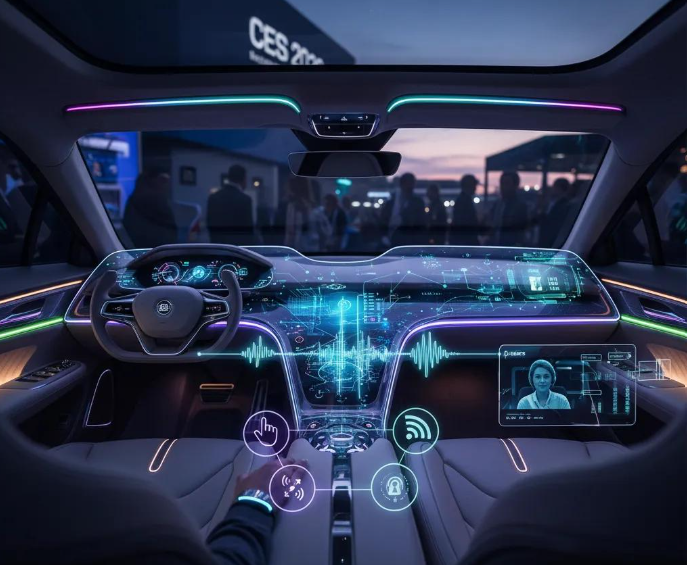
The automotive industry is undergoing one of its biggest technological transformations since the invention of the internal combustion engine. Today’s vehicles are no longer defined solely by horsepower, fuel economy, or luxury interiors—they are increasingly powered by software. The rise of Software-Defined Vehicles (SDVs) is reshaping how cars are designed, updated, and experienced, ushering in a new era of intelligent mobility.
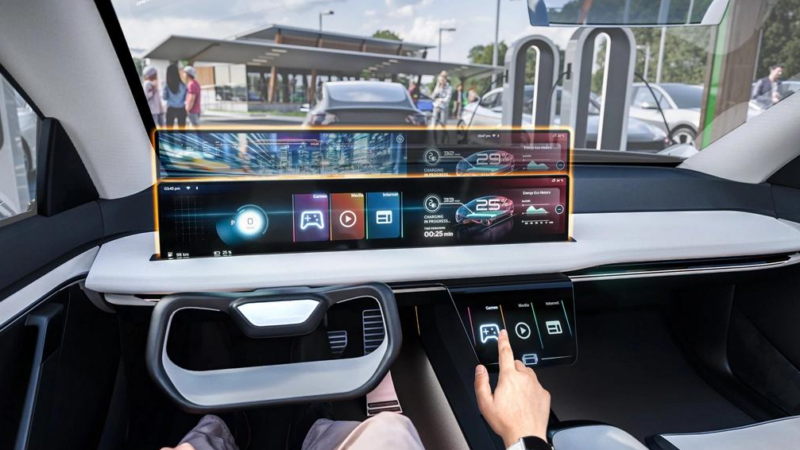
Unlike traditional vehicles, where most functions are controlled by separate hardware modules, Software-Defined Vehicles rely on powerful centralized computing systems. These systems manage everything from infotainment and navigation to safety features, battery management, suspension settings, and even driving dynamics. This architecture allows manufacturers to continuously improve a vehicle long after it has left the factory.
One of the greatest advantages of SDVs is the ability to receive Over-the-Air (OTA) updates. Similar to smartphones, modern vehicles can download software improvements remotely, eliminating the need for frequent dealership visits. Manufacturers can introduce new features, enhance performance, improve energy efficiency, and address software issues with just a few clicks.
Artificial intelligence is also becoming an integral part of the driving experience. Modern vehicles can analyze driving habits, adjust climate controls automatically, recommend navigation routes based on traffic patterns, and personalize seat positions and entertainment preferences for individual drivers. As AI technology advances, cars are becoming increasingly capable of learning from their owners and adapting to their daily routines.
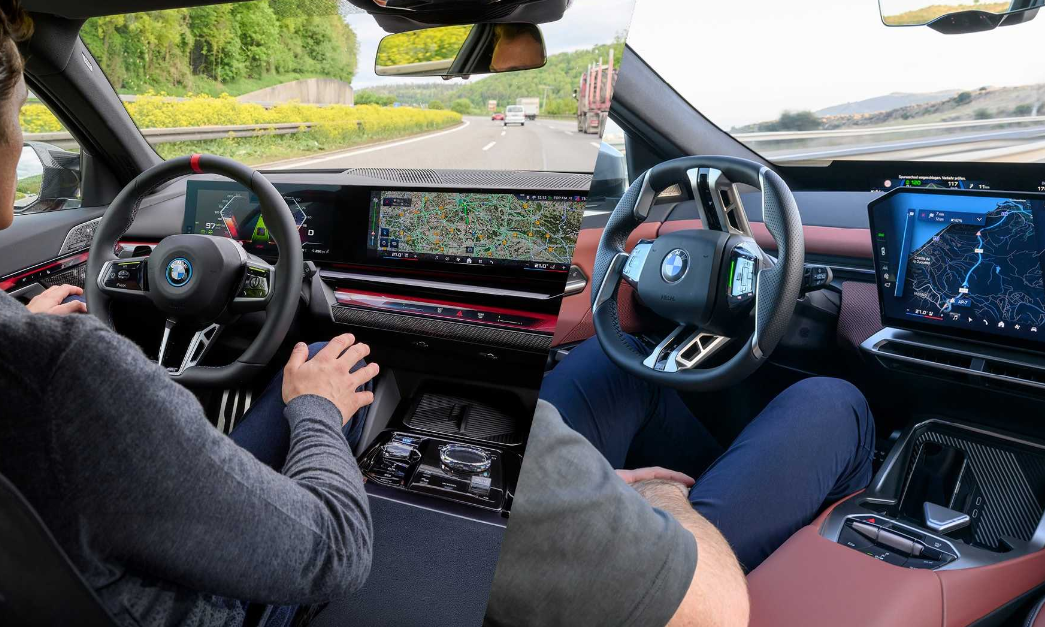
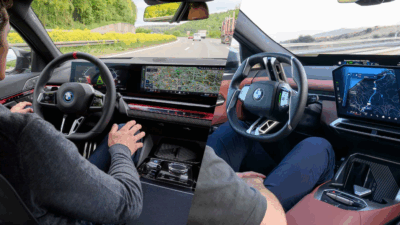
Safety remains one of the biggest beneficiaries of this technological revolution. Advanced Driver Assistance Systems (ADAS) continue to evolve with software improvements, offering features such as adaptive cruise control, lane-centering assistance, automatic emergency braking, blind-spot monitoring, and intelligent parking systems. Future software updates are expected to further improve these systems, making driving safer and more intuitive.
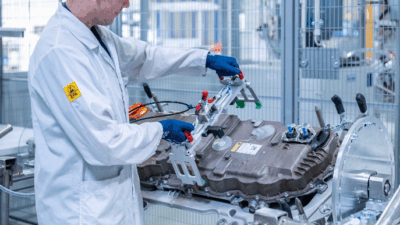
Electric vehicles are particularly well suited to software-defined architecture. Battery performance, charging efficiency, thermal management, and energy distribution can all be optimized through intelligent software algorithms. As manufacturers refine these systems, owners can experience improved driving range and better overall performance without any physical modifications to their vehicles.
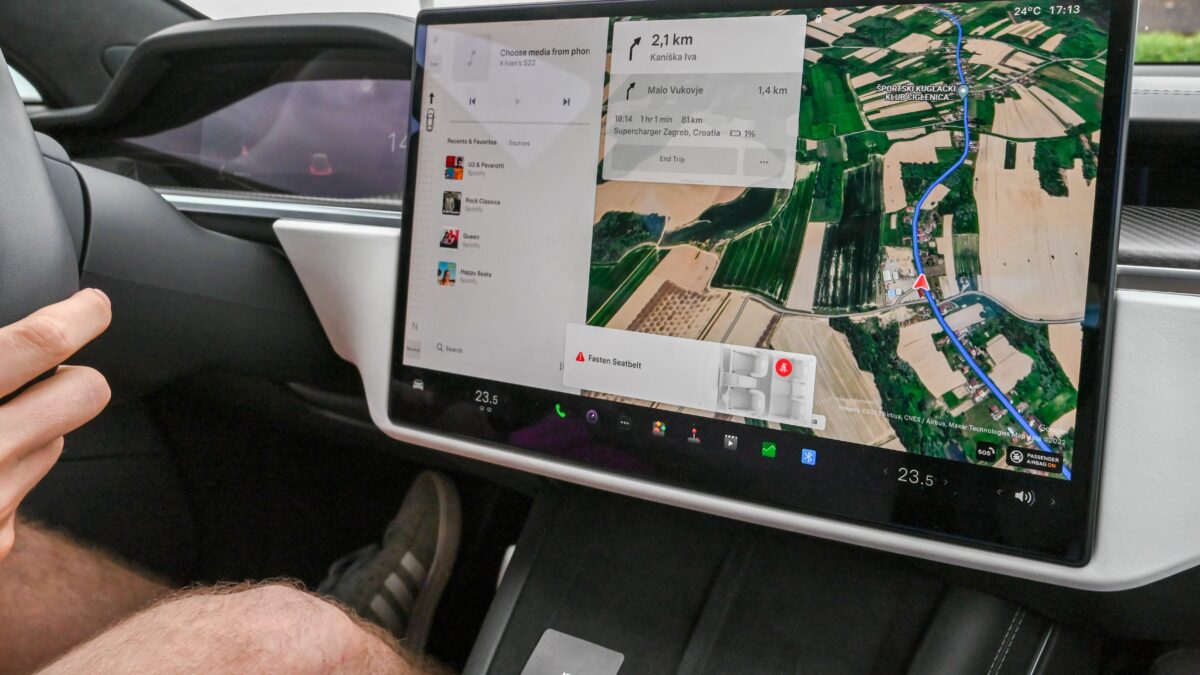
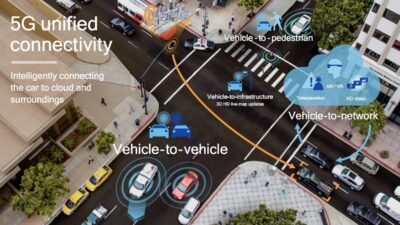
Connectivity is another defining feature of Software-Defined Vehicles. High-speed internet access enables real-time traffic information, cloud-based navigation, remote vehicle monitoring, smartphone integration, and digital key functionality. Drivers can check battery levels, pre-condition the cabin, locate their vehicle, or even unlock the doors remotely using dedicated mobile applications.
Cybersecurity has become a major priority as vehicles become more connected. Automakers are investing heavily in encrypted communication systems, secure cloud platforms, and continuous security monitoring to protect vehicles from digital threats. Regular software updates also allow manufacturers to address vulnerabilities quickly, helping maintain the integrity of increasingly connected vehicles.
Several global manufacturers have already embraced the software-first approach. Companies such as Mercedes-Benz, BMW, Volvo, Porsche, Hyundai, Kia, and Tesla continue to invest billions of dollars in next-generation software platforms that will power future vehicles. Many are developing their own operating systems designed specifically for automotive applications, reducing reliance on third-party suppliers while enabling faster innovation.
Looking ahead, Software-Defined Vehicles will serve as the foundation for future autonomous driving technologies. As computing power continues to increase and artificial intelligence becomes more sophisticated, vehicles will be able to process enormous amounts of real-time data, making autonomous systems safer and more reliable than ever before.
The transition to software-defined mobility represents far more than a technological upgrade—it marks a complete shift in how vehicles are developed, maintained, and experienced. As the automotive industry continues to evolve, tomorrow’s cars will not simply be driven; they will continuously learn, improve, and adapt, delivering smarter, safer, and more connected journeys for drivers around the world.