From Electric to Intelligent: The Automotive Trends Defining 2026
The automotive industry is entering a new phase in 2026. Electrification remains important, but the conversation is no longer focused only on replacing petrol engines with batteries. Today’s most significant developments involve intelligent software, flexible powertrains, advanced connectivity and vehicles that continue improving after leaving the showroom.
Electric Vehicles Continue Their Global Expansion
Electric vehicles remain one of the industry’s strongest growth areas. The International Energy Agency expects global electric-car sales to reach approximately 23 million units in 2026, representing close to 30% of new cars sold worldwide. The number of electric models available globally could also exceed 1,100 this year, giving buyers far more choice across luxury, performance and mainstream segments.
Recent European figures reinforce this momentum. Battery-electric registrations across major European markets surpassed 1.24 million during the first half of 2026, increasing by more than 30% compared with the same period last year. Government incentives, higher fuel costs and expanding charging networks continue to encourage adoption.
However, the transition is not identical in every market. Charging availability, purchase prices and driving habits continue to influence consumer decisions. This is helping hybrids and plug-in hybrids retain an important role, particularly among drivers who want improved efficiency without depending entirely on public charging infrastructure.
The Rise of the AI-Defined Vehicle
One of the most important trends of 2026 is the evolution from the software-defined vehicle to the AI-defined vehicle.
Modern cars increasingly rely on centralised computing systems rather than dozens of isolated electronic control units. This allows manufacturers to introduce new features through over-the-air updates, improve energy management and continuously refine vehicle performance.
Artificial intelligence is taking this capability further. Future vehicles will increasingly learn from driving behaviour, anticipate preferred cabin settings, provide more natural voice interaction and offer advanced assistance based on real-time road conditions.
Nissan, for example, has announced plans to expand its AI Drive technology across the majority of its future model range. This reflects a broader industry shift in which software and artificial intelligence are becoming as important as engine power, design and mechanical engineering.
Cars Are Becoming Personal Digital Spaces
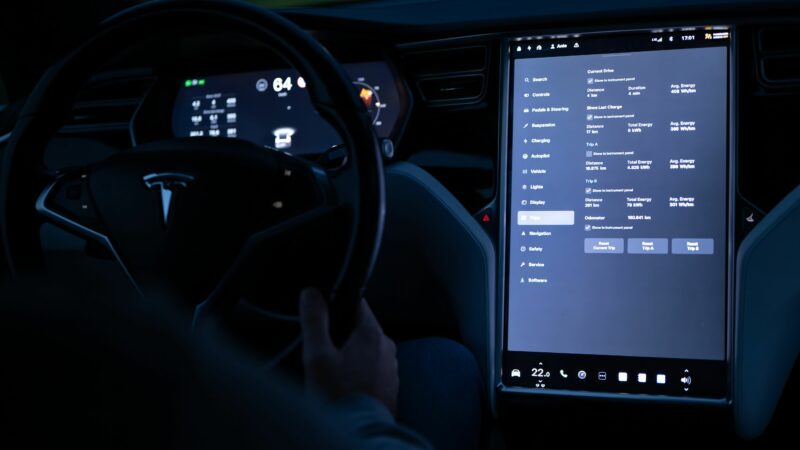
Connectivity is also changing the relationship between drivers and their cars. Drivers increasingly expect seamless smartphone integration, intelligent navigation, personalised entertainment and digital services that operate across multiple devices.
The car is gradually becoming a personalised digital environment. Profiles can store seating positions, climate preferences, favourite routes and entertainment choices. Advanced systems can also recommend charging stops, identify maintenance requirements and adjust vehicle behaviour according to road or weather conditions.
At the same time, data privacy and cybersecurity are becoming critical concerns. Manufacturers must demonstrate that connected features are secure, transparent and genuinely useful rather than intrusive.
Technology Must Still Deliver a Better Drive
Despite rapid digital development, successful vehicles must still provide comfort, quality, performance and emotional appeal. Buyers may appreciate intelligent interfaces, but they also expect dependable engineering and an enjoyable driving experience.
The defining automotive trend of 2026 is therefore not electrification or artificial intelligence alone. It is the integration of efficient powertrains, intelligent software and human-centred design.
The next generation of cars will not simply transport people. They will adapt, communicate, update and evolve—transforming the automobile into one of the most advanced personal technologies consumers own.