AI Accelerates Automotive Safety
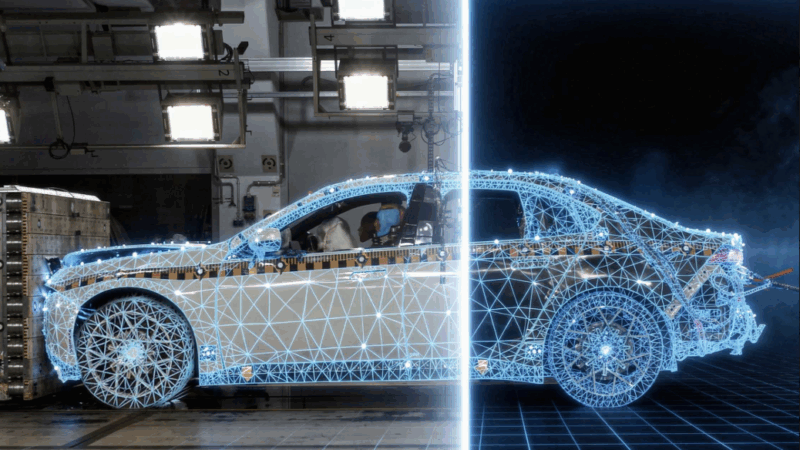
BMW and Mistral AI Push Crash Simulation Technology into the Future
The automotive industry is entering a new era where artificial intelligence is becoming as important as engineering itself. In one of the latest examples of this transformation, BMW Group is advancing the use of AI-powered crash simulation technology to improve vehicle development, safety testing, and engineering efficiency.
Traditionally, crash testing has been one of the most complex and resource-intensive stages of vehicle development. Engineers conduct thousands of virtual simulations before physical prototypes are ever built. These simulations help predict how a vehicle will behave during collisions, allowing manufacturers to refine structural designs and improve occupant protection.
Today, AI is helping accelerate that process.
Smarter Simulations, Faster Results
Modern vehicles generate enormous amounts of engineering data throughout their development cycle. AI systems can analyze this data far faster than conventional methods, identifying patterns and predicting outcomes that may otherwise take engineers weeks to uncover.
By integrating advanced AI models into crash simulation workflows, BMW aims to improve the accuracy of virtual testing while reducing development time. This enables engineers to evaluate more design possibilities, test additional safety scenarios, and optimize vehicle structures before physical testing begins.
The result is a more efficient development process without compromising safety standards.
The Role of Artificial Intelligence
Artificial intelligence excels at recognizing complex relationships within large datasets. In automotive engineering, crash simulations produce vast amounts of information related to structural deformation, material behavior, energy absorption, and occupant protection.
AI can study thousands of previous simulations and learn how vehicles react under different impact conditions. This knowledge allows engineers to predict results more quickly and focus on refining designs that offer the greatest safety benefits.
As AI continues to evolve, manufacturers may eventually be able to perform highly sophisticated virtual crash testing with unprecedented speed and precision.
Safety Remains the Priority
While AI brings new capabilities, the ultimate objective remains unchanged: protecting drivers and passengers.
Vehicle safety standards continue to become more demanding worldwide, requiring manufacturers to develop stronger structures and smarter safety systems. AI provides an additional tool that helps engineers achieve these goals while shortening development cycles and controlling costs.
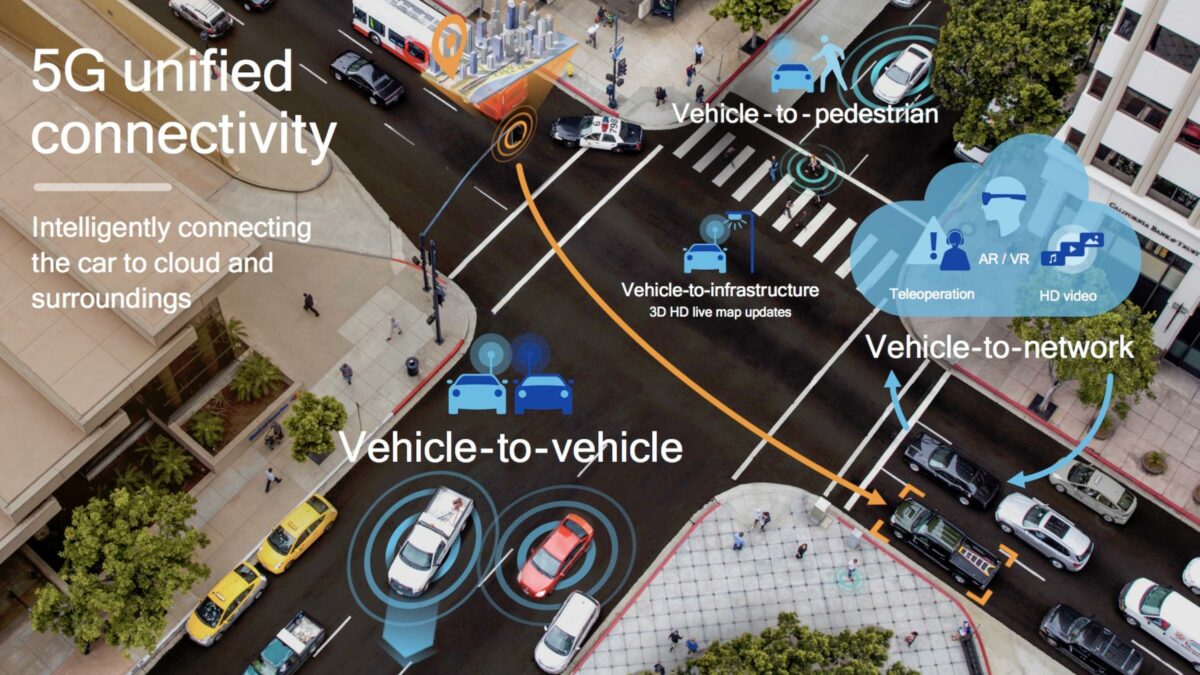
The technology is particularly valuable as vehicles become more complex through electrification, autonomous systems, advanced driver assistance features, and connected technologies.
A Glimpse into the Future
The partnership between automotive engineering and artificial intelligence represents one of the most exciting developments in the industry today. Beyond crash testing, AI is already influencing design optimization, battery development, predictive maintenance, manufacturing efficiency, and autonomous driving systems.
For BMW, integrating AI into safety engineering demonstrates how technology can complement human expertise rather than replace it. Engineers remain at the center of vehicle development, while AI helps process information and uncover insights more efficiently.
Learn More About BMW Group:
https://www.bmwgroup.com
Conclusion
The future of automotive safety will be shaped not only by stronger materials and advanced engineering but also by intelligent software capable of learning from vast amounts of data. BMW’s continued investment in AI-powered crash simulation highlights how the industry is embracing digital innovation to create safer, smarter, and more efficient vehicles.
As automotive technology evolves, artificial intelligence is becoming an indispensable partner in the pursuit of safer roads and better driving experiences for everyone.
Explore More on Innovation