AI on the Road: How Artificial Intelligence Is Transforming the Future of Driving
Artificial Intelligence is no longer a futuristic concept confined to research labs and science fiction films. Today, AI is rapidly becoming one of the most influential technologies shaping the automotive industry. From advanced driver assistance systems to fully autonomous vehicles, artificial intelligence is redefining how we interact with our cars and what mobility will look like in the years ahead.
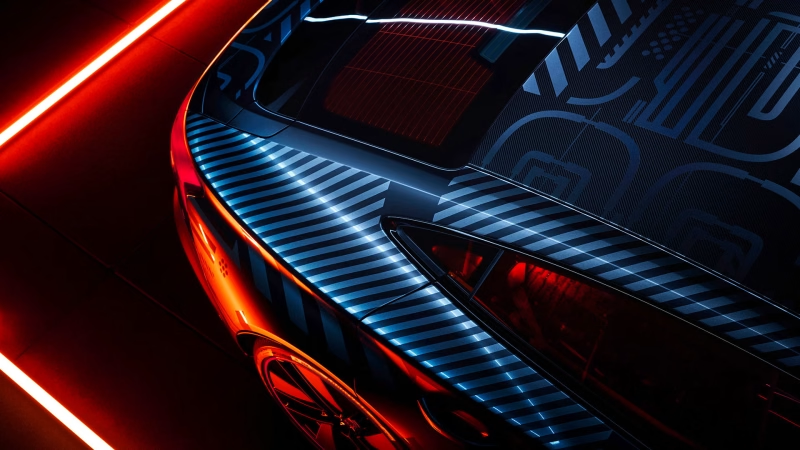
Leading manufacturers, including Audi, are investing heavily in AI-powered technologies designed to make driving safer, more efficient, and more personalized. As vehicles become increasingly connected and intelligent, artificial intelligence is emerging as the foundation of the next generation of mobility.
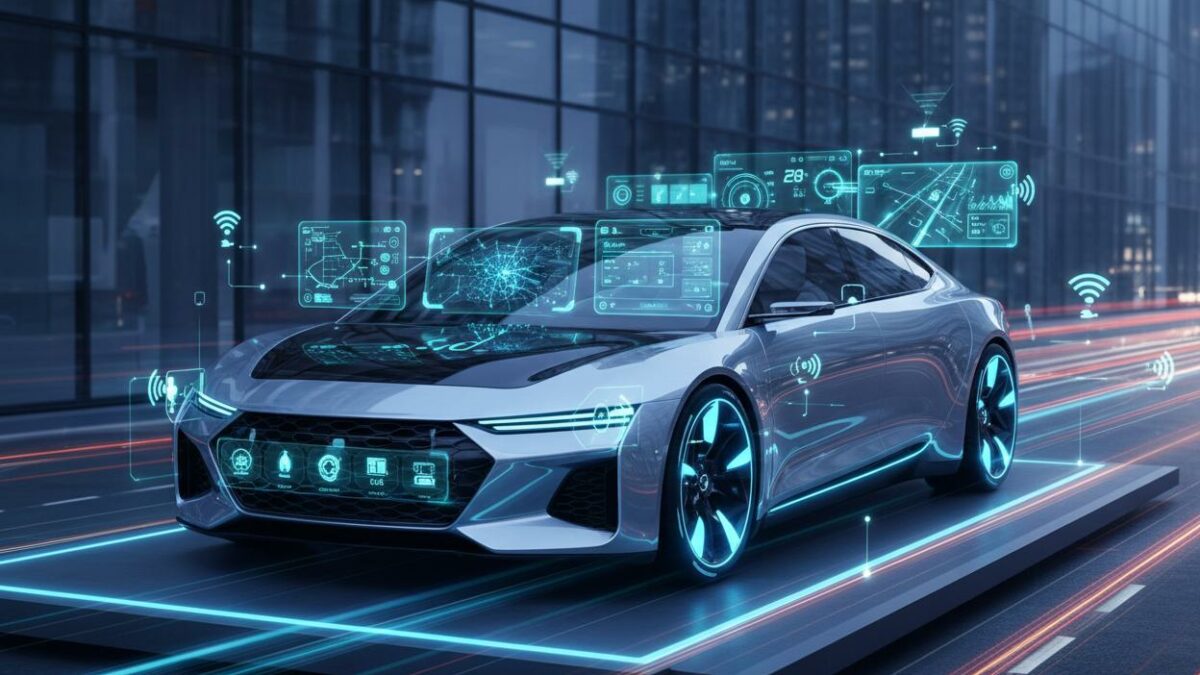
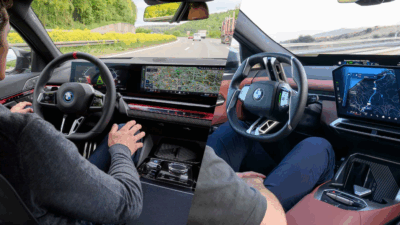
One of the most visible applications of AI can be found in driver assistance systems. Modern vehicles already use artificial intelligence to monitor road conditions, recognize traffic signs, maintain lane positioning, and detect potential hazards. These systems continuously analyze data from cameras, sensors, and radar units to help drivers react more quickly and avoid accidents.
Safety remains one of the primary benefits of automotive AI. Human error is responsible for the vast majority of road accidents worldwide. By monitoring driver behavior and surrounding conditions in real time, AI-powered systems can provide warnings, intervene during emergencies, and reduce the likelihood of collisions.
Artificial intelligence is also paving the way for autonomous driving. Self-driving technology relies on sophisticated AI algorithms capable of processing enormous amounts of information in milliseconds. These systems can identify pedestrians, cyclists, road markings, vehicles, and changing traffic conditions while making complex driving decisions.
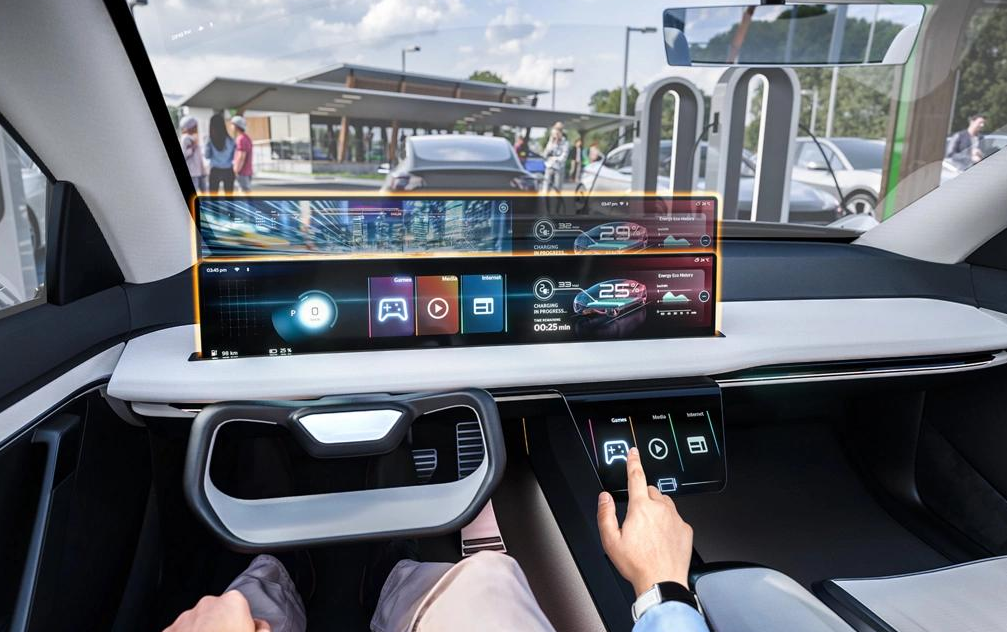
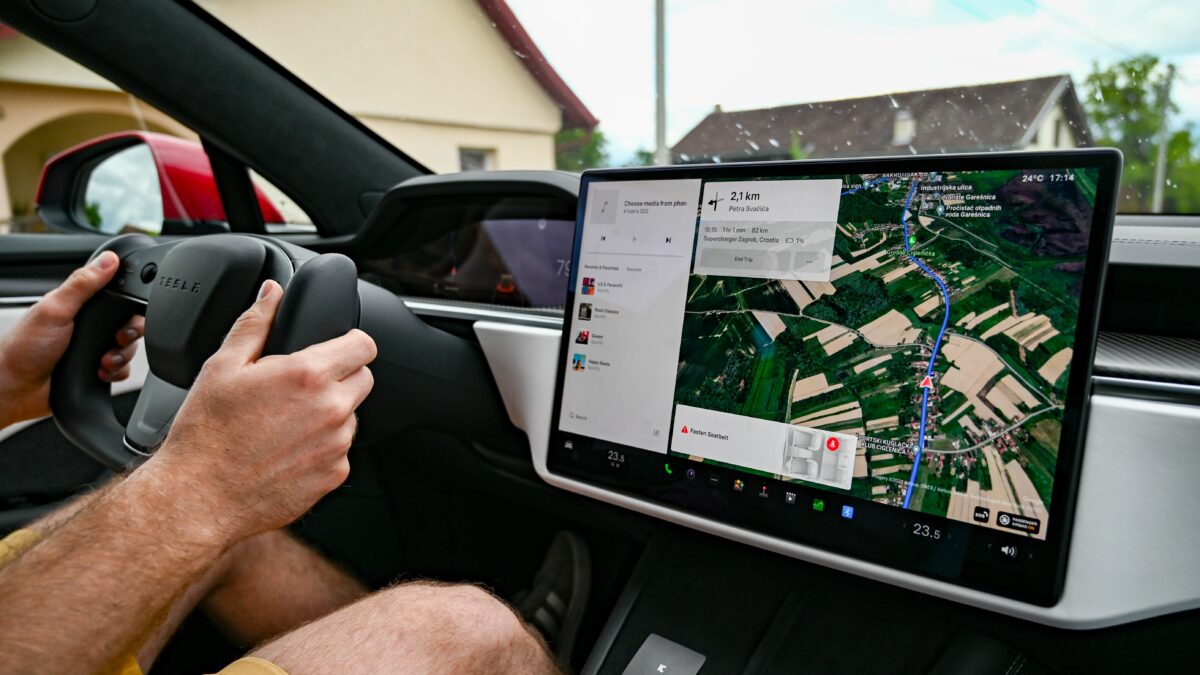
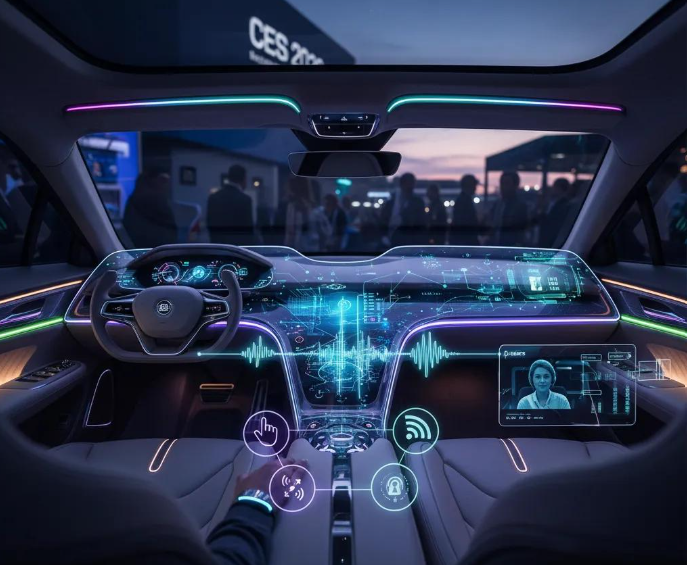
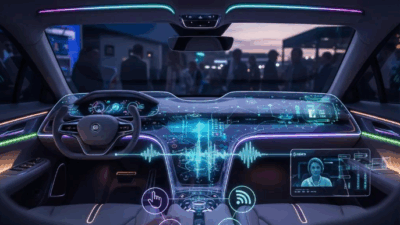
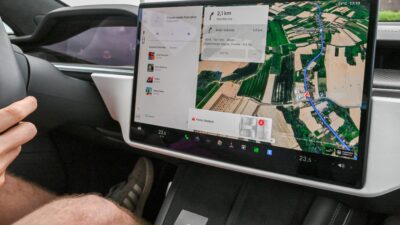
Beyond safety and autonomy, AI is transforming the in-car experience itself. Future vehicles are expected to function more like intelligent digital assistants than traditional automobiles. Voice-controlled systems, personalized settings, predictive navigation, and adaptive entertainment platforms will create a more intuitive and comfortable environment for occupants.
Imagine a vehicle that learns your daily routines, adjusts climate settings automatically, suggests optimal routes based on traffic patterns, and even schedules charging stops during long journeys. These capabilities are becoming increasingly realistic as artificial intelligence continues to evolve.
AI is also playing a critical role in electric vehicle development. Intelligent energy management systems can optimize battery performance, improve charging efficiency, and maximize driving range. Predictive maintenance technologies can identify potential issues before they become serious problems, helping reduce downtime and ownership costs.
As vehicles become more intelligent, ethical and regulatory considerations are equally important. Manufacturers and technology companies must ensure that AI systems operate responsibly, transparently, and securely. Data privacy, cybersecurity, and decision-making accountability remain key priorities as the industry moves toward greater automation.
Experts believe that artificial intelligence will eventually transform the automobile from a transportation device into a connected living space. Future vehicles may offer immersive entertainment, virtual collaboration, personalized wellness features, and productivity tools that enhance every journey.
While fully autonomous driving may still require further development and regulation, the influence of artificial intelligence is already evident across today’s automotive landscape. The technology is making vehicles smarter, safer, and more responsive than ever before.
As innovation accelerates, AI is set to become one of the most important forces shaping the future of mobility. For drivers and passengers alike, the road ahead promises a new era where intelligent technology and automotive excellence work together to redefine the driving experience.