Preserving Automotive Legends
Why Heritage Cars Matter More Than Ever
The automotive world is racing toward an electrified future filled with advanced software, artificial intelligence, and autonomous technologies. Yet amid all this innovation, one segment continues to captivate enthusiasts, collectors, and manufacturers alike: heritage automobiles.
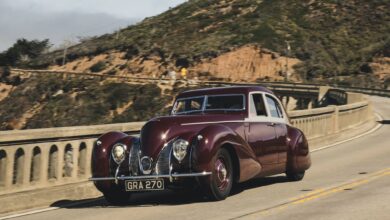
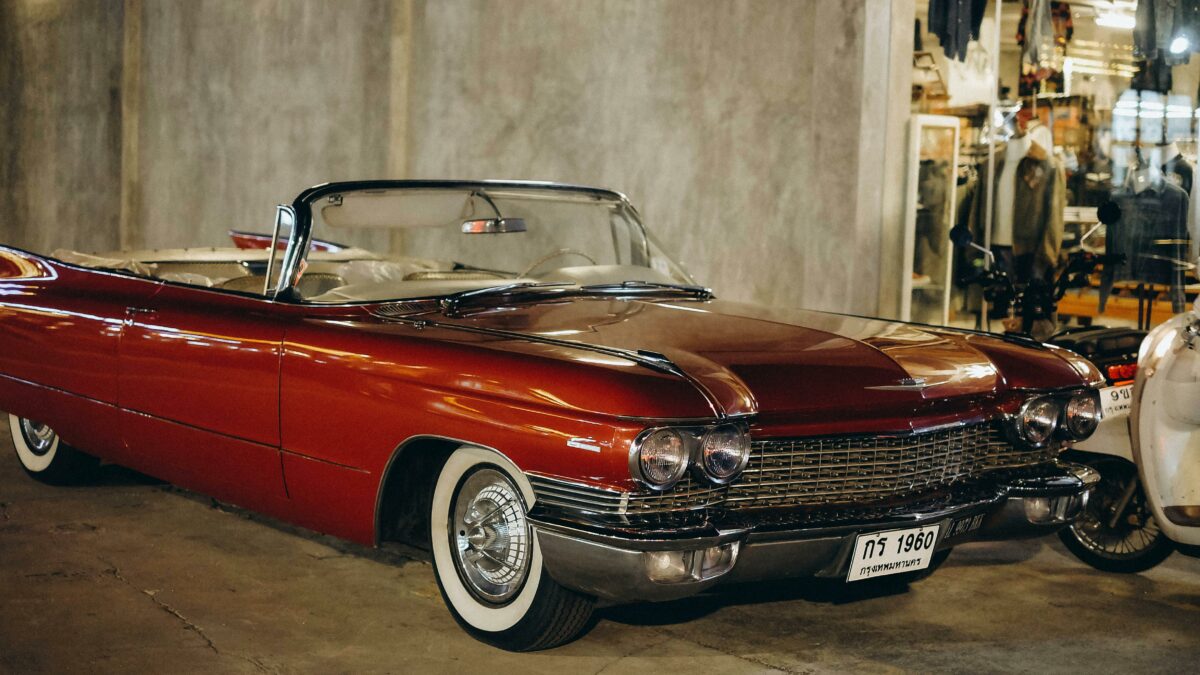
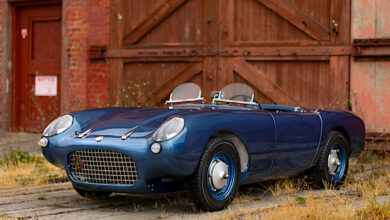
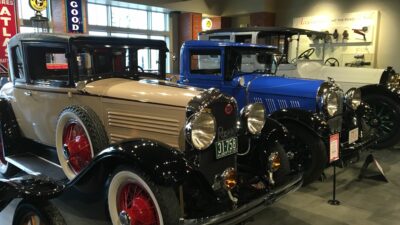
Classic and heritage cars are far more than old vehicles. They are living reminders of the milestones that shaped the automotive industry and the cultures that grew around them. Every heritage car tells a story—not only about engineering and design but also about the era in which it was created.
For many enthusiasts, driving a heritage vehicle is a unique experience that modern cars cannot fully replicate. The sound of a naturally aspirated engine, the feel of a manual gearbox, and the direct connection between driver and machine create an emotional bond that transcends transportation. These vehicles were built during a time when craftsmanship was often prioritized over automation, resulting in machines that possess distinct personalities.
Manufacturers understand the value of their history. Brands such as Mercedes-Benz, Ferrari, Porsche, Bentley, Aston Martin, and Jaguar invest heavily in preserving their archives and restoring iconic models. Heritage divisions have become an important part of many luxury manufacturers, offering factory restorations, certification programs, and access to rare historical records.
The appeal of heritage automobiles has also grown significantly among younger collectors. While previous generations focused primarily on vehicles from the 1950s and 1960s, today’s enthusiasts are increasingly seeking iconic models from the 1980s, 1990s, and early 2000s. Vehicles once considered everyday performance cars are now becoming sought-after collectibles as nostalgia drives demand.
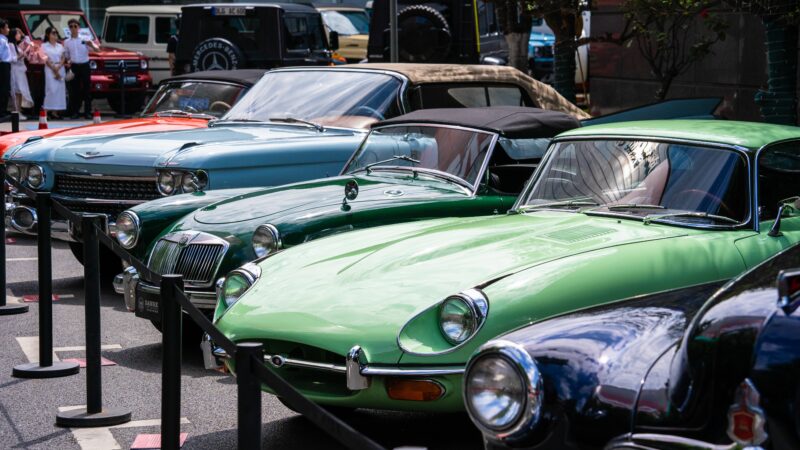
In the UAE, appreciation for heritage automobiles continues to expand. The region hosts numerous classic car gatherings, concours events, and private collections that showcase automotive history from around the world. Enthusiasts recognize that preserving these vehicles is about more than ownership—it is about protecting a piece of global automotive culture.
Beyond their emotional value, heritage cars are increasingly viewed as investment assets. Limited-production models, historically significant vehicles, and well-preserved examples often appreciate in value over time. Collectors are paying record prices at auctions for vehicles that combine rarity, provenance, and exceptional condition.
Technology is also playing a role in preserving automotive history. Digital archives, advanced restoration techniques, and modern manufacturing methods make it easier to reproduce rare components that may no longer be available. This allows enthusiasts to maintain and enjoy classic vehicles for future generations.
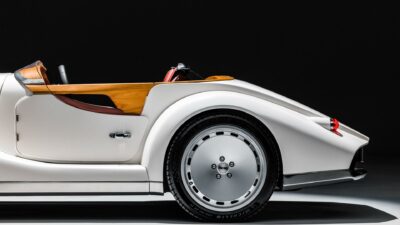
The growing popularity of heritage motoring has also inspired manufacturers to revisit classic design elements in modern vehicles. Retro-inspired styling, heritage color palettes, and anniversary editions allow brands to celebrate their history while appealing to contemporary buyers. These connections between past and present help strengthen brand identity and deepen customer loyalty.
As the automotive industry evolves, heritage vehicles serve as important reminders of the innovation, passion, and creativity that built the foundations of modern mobility. They highlight the achievements of engineers, designers, and visionaries whose work continues to influence the cars we drive today.
Ultimately, heritage cars matter because they preserve stories. They remind us that every groundbreaking innovation stands on the shoulders of those that came before. In a rapidly changing automotive landscape, these timeless machines continue to connect generations of enthusiasts through a shared love of driving, craftsmanship, and history.