Car Buying vs Leasing: Which Is the Better Choice in 2026?

Choosing between buying and leasing a vehicle is one of the most important financial decisions drivers face today. With automotive technology evolving rapidly and more manufacturers introducing hybrid and electric models, consumers have more options than ever before. While both buying and leasing offer distinct advantages, the right choice depends on your lifestyle, budget, and long-term goals.
For many drivers, purchasing a vehicle remains the traditional route. When you buy a car, either outright or through financing, you become the owner of the vehicle. Once the loan is paid off, the car is yours to keep, sell, or trade in. Ownership provides flexibility and can be more cost-effective over the long term, especially for drivers who plan to keep their vehicles for several years.
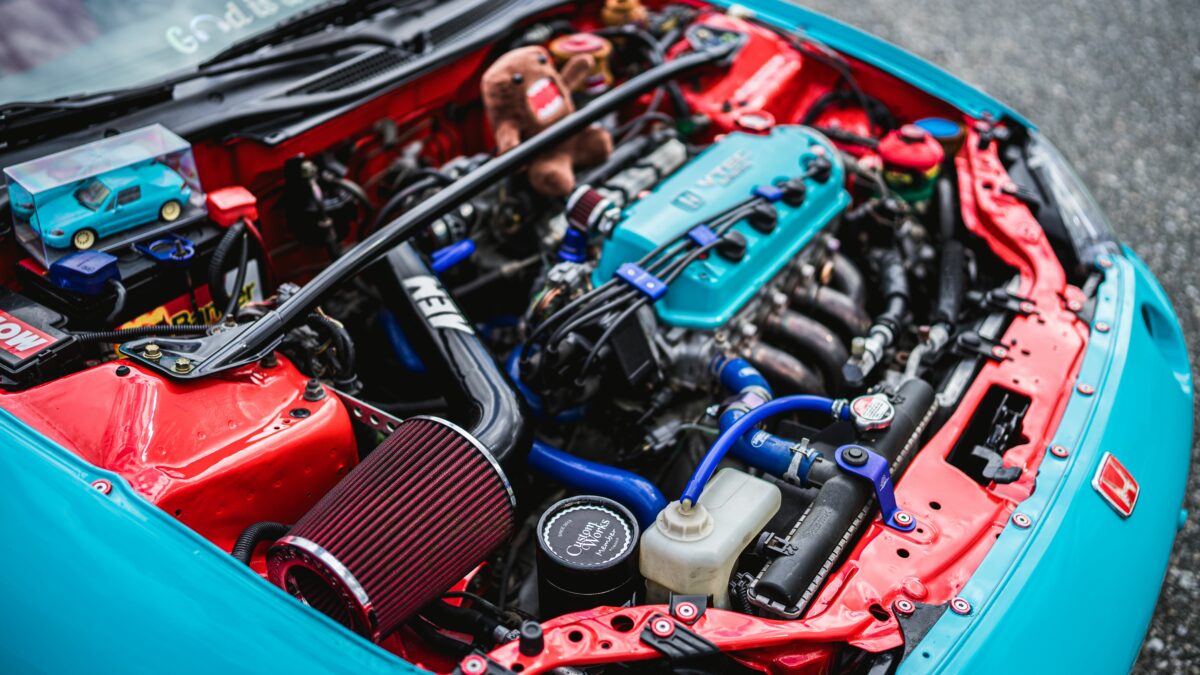
One of the biggest benefits of buying is the absence of mileage restrictions. Owners can drive as much as they like without worrying about penalties. This is particularly important for commuters, business travelers, and families who frequently take long road trips. Additionally, owners are free to customize their vehicles with upgrades, accessories, or modifications that suit their preferences.
However, buying also comes with responsibilities. Monthly payments are often higher than lease payments, and owners bear the full cost of maintenance and repairs once the vehicle is out of warranty. Depreciation is another factor to consider, as vehicles typically lose value over time.
Leasing, on the other hand, has become increasingly popular among drivers who enjoy having access to the latest models and technologies. Leasing essentially allows consumers to rent a vehicle for a fixed period, usually between two and four years. At the end of the lease term, the driver can return the vehicle, lease a new one, or in some cases purchase it.
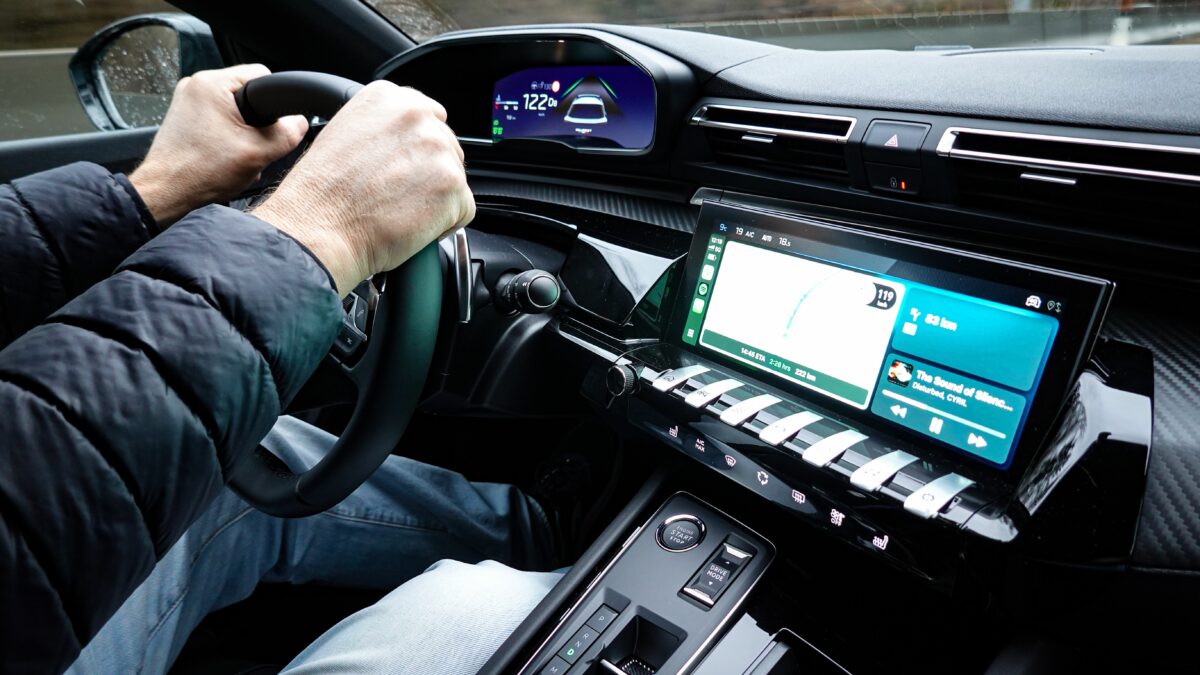
The primary advantage of leasing is affordability. Monthly payments are generally lower because drivers are only paying for the vehicle’s depreciation during the lease period rather than its full value. Leasing also provides the opportunity to drive newer models equipped with the latest safety features, connectivity systems, and fuel-efficient technologies.
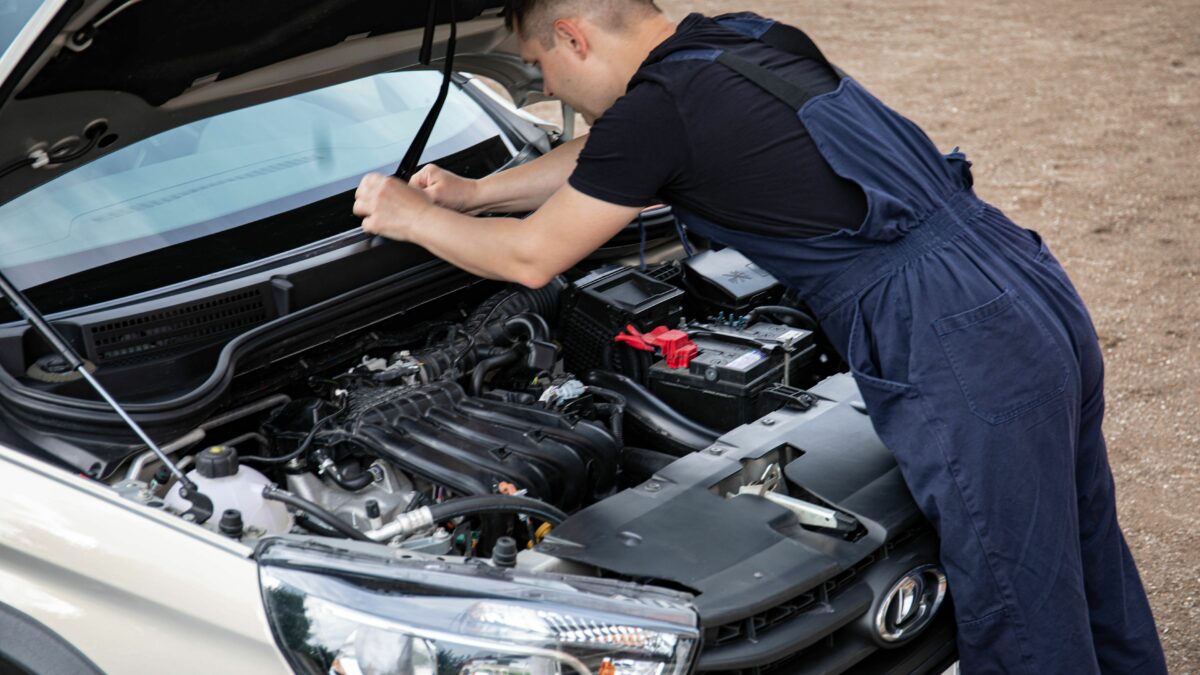
For drivers who value convenience, leasing often means fewer maintenance concerns. Most leased vehicles remain under manufacturer warranty throughout the lease term, reducing unexpected repair costs. This makes budgeting easier and offers greater peace of mind.
Despite these benefits, leasing is not ideal for everyone. Lease agreements usually include annual mileage limits, and exceeding them can result in additional fees. Drivers must also return the vehicle in good condition, as excessive wear and tear may lead to charges. Furthermore, leasing does not build ownership equity since the vehicle ultimately belongs to the leasing company.
In 2026, the decision between buying and leasing has become even more relevant due to the rapid growth of electric vehicles. Many consumers are choosing to lease EVs because battery technology continues to evolve quickly. Leasing allows drivers to upgrade to newer models more frequently without worrying about long-term depreciation.
Ultimately, there is no one-size-fits-all answer. Drivers seeking long-term value, ownership, and freedom may prefer buying. Those who prioritize lower monthly payments, newer vehicles, and flexibility may find leasing more attractive.
Before making a decision, carefully assess your driving habits, financial situation, and future plans. The best choice is the one that aligns with your lifestyle and helps you enjoy the driving experience with confidence.