Luxury on Wheels: How Premium Cars Became Part of the Modern Lifestyle
Luxury cars are no longer just machines designed for transportation. Today, they represent identity, ambition, lifestyle, and personal taste. From handcrafted interiors and private-jet-inspired cabins to exclusive ownership experiences and high-performance engineering, the modern luxury automobile has evolved into something far beyond mobility
For many buyers, especially in cities like Dubai, Monaco, London, and Miami, owning a luxury vehicle is not simply about reaching a destination — it is about how the journey feels.
The Evolution of Automotive Luxury
The idea of luxury motoring has changed dramatically over the past two decades. In the past, luxury cars were primarily defined by size, comfort, and prestige badges. Today’s buyers expect far more.
Modern luxury vehicles now combine advanced technology, personalized craftsmanship, sustainability, performance, and exclusivity into a single experience. Brands such as Rolls-Royce, Bentley, Ferrari, Lamborghini, Porsche, Aston Martin, and Mercedes-Maybach are competing not only on engineering but also on lifestyle appeal.
The modern luxury customer wants a vehicle that reflects personal identity. Some buyers prefer understated elegance and quiet sophistication, while others want aggressive styling and dramatic road presence. Automotive brands now design vehicles with emotional storytelling in mind rather than simply technical specifications.
This shift has transformed luxury cars into lifestyle products.
Dubai and the Rise of Automotive Lifestyle Culture
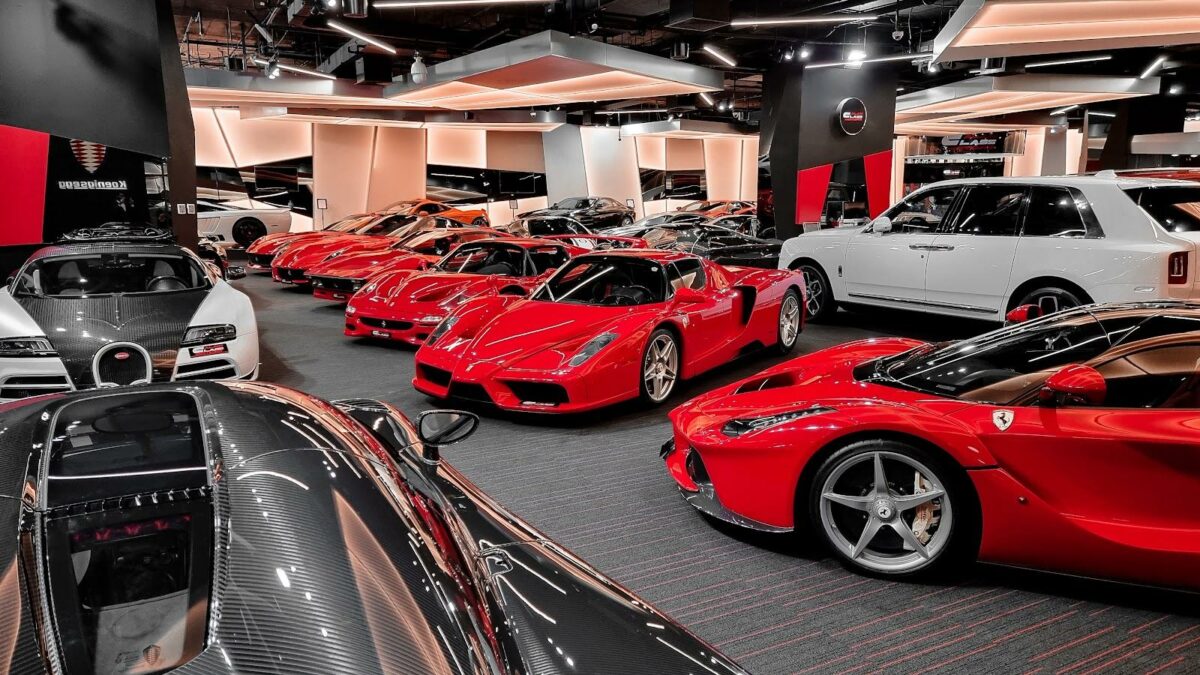
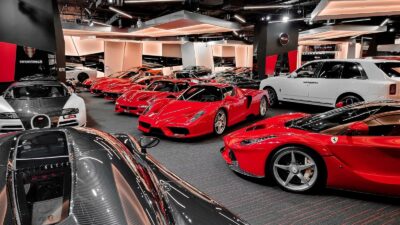
Few cities in the world represent luxury automotive culture quite like Dubai. The UAE has become one of the strongest global markets for premium and exotic vehicles, with supercars regularly appearing outside luxury hotels, beach clubs, fine dining destinations, and exclusive events.
Part of Dubai’s appeal comes from its infrastructure. Wide highways, modern architecture, luxury communities, and year-round sunshine create the perfect environment for high-end automotive culture. Cars are not hidden away in garages — they are part of daily visual life.
Luxury vehicles in Dubai often symbolize success and ambition. Entrepreneurs, executives, influencers, and collectors use premium automobiles as extensions of their lifestyle. The car someone drives frequently reflects their personality, business image, and social presence.
At the same time, Dubai’s multicultural environment has created one of the most diverse luxury car communities in the world. It is common to see classic Rolls-Royce models, modern hypercars, ultra-luxury SUVs, and electric performance vehicles sharing the same roads.
This diversity has pushed luxury automotive culture beyond traditional expectations.
Personalization Is the New Luxury
One of the biggest changes in modern automotive luxury is the demand for personalization. Buyers today do not want vehicles identical to everyone else’s. They want something unique.
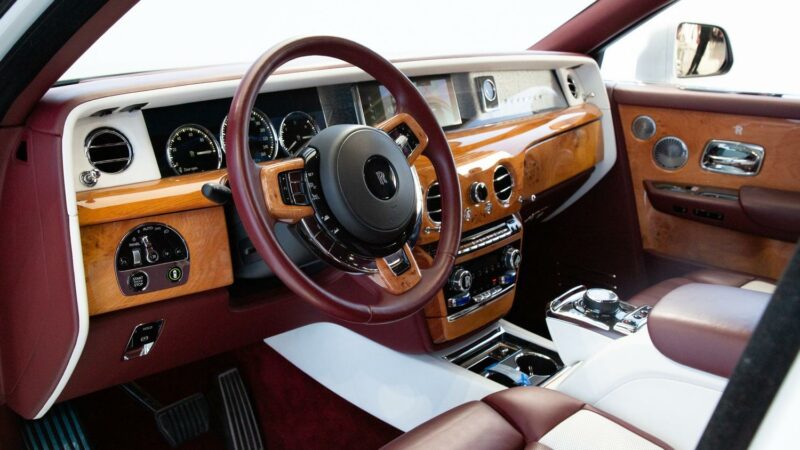
Manufacturers now offer extensive customization programs allowing customers to choose exclusive paint colors, handcrafted materials, personalized embroidery, custom wood finishes, and even bespoke luggage sets designed specifically for the car.
Rolls-Royce’s Bespoke division, Bentley Mulliner, Ferrari Tailor Made, and Lamborghini Ad Personam programs have become increasingly important because luxury clients value exclusivity above almost everything else.
Some owners even commission entirely custom-built details inspired by yachts, private aviation, fashion, or architecture.
This level of personalization transforms a car from a product into a personal statement.
Luxury SUVs Dominate the Market
Perhaps the biggest transformation in the luxury automotive world has been the rise of the luxury SUV.
For years, high-performance sports cars dominated aspirational automotive culture. Today, however, luxury SUVs have become the centerpiece of many premium lifestyles.
Models such as the Rolls-Royce Cullinan, Bentley Bentayga, Lamborghini Urus, Range Rover SV, and Mercedes-Maybach GLS combine performance, comfort, practicality, and prestige into one package.
Luxury buyers increasingly want versatility without sacrificing elegance. They want vehicles capable of city driving, family use, long-distance comfort, and premium experiences simultaneously.
The UAE market has embraced this trend aggressively. Luxury SUVs dominate roads across Dubai and Abu Dhabi because they suit both urban life and regional travel perfectly.
Modern SUVs are no longer viewed as compromises. Many now deliver acceleration figures matching sports cars while maintaining limousine-level comfort.
Technology Redefines Premium Driving
Technology has become central to luxury motoring. Today’s premium cars offer features once associated only with futuristic concept vehicles.
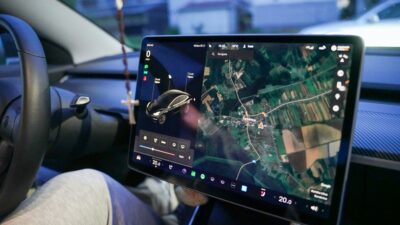
Large digital displays, advanced driver assistance systems, AI-integrated controls, ambient lighting, massage seating, rear entertainment systems, and intelligent connectivity are now expected within the luxury segment.
Some luxury vehicles even include fragrance systems, champagne compartments, reclining executive seats, biometric security, and private lounge-style interiors.
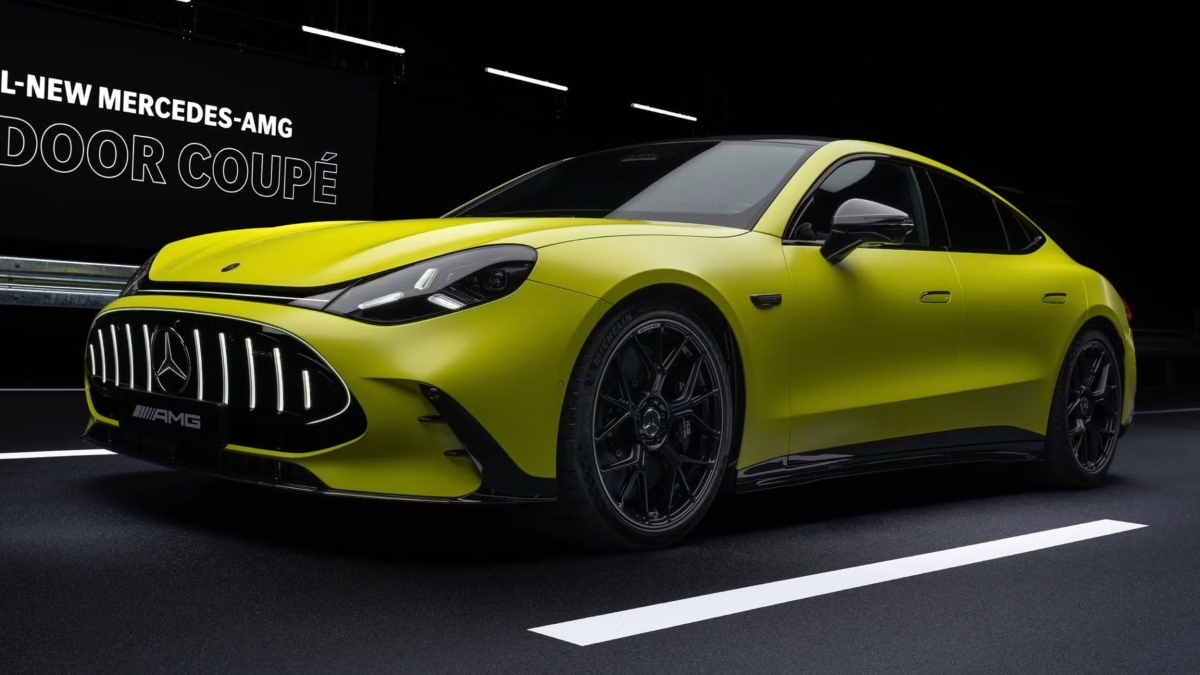
Electric mobility is also reshaping luxury expectations. Brands like Porsche, Mercedes-Benz, BMW, Lucid, and Tesla have shown that electrification can coexist with high-end performance and prestige.
The next generation of luxury buyers values seamless technology integration just as much as horsepower.
For many customers, the cabin experience matters more than raw speed alone.
The Influence of Fashion and Design
Luxury automotive brands increasingly collaborate with fashion houses, artists, architects, and designers to strengthen their lifestyle positioning.
Limited-edition collaborations have become powerful marketing tools. Fashion-inspired interiors, designer accessories, and exclusive capsule collections now blur the line between automotive culture and luxury fashion.
This crossover reflects changing consumer behavior. Modern luxury buyers no longer separate fashion, travel, hospitality, and automotive experiences. They view all luxury purchases as part of one connected lifestyle ecosystem.
Events such as Monaco Yacht Show, Art Basel Miami, Dubai luxury showcases, and international fashion weeks increasingly feature automotive brands alongside watches, jewellery, fashion, and private aviation.
Cars have become lifestyle symbols rather than isolated products.
Sustainability Meets Luxury
The future of luxury motoring is increasingly connected to sustainability. High-net-worth consumers are becoming more environmentally conscious while still demanding premium experiences.
This has pushed manufacturers toward hybrid systems, electric drivetrains, sustainable materials, and eco-conscious production methods.
Interestingly, sustainability within luxury is no longer viewed as limitation. Many brands now position it as innovation.
Electric luxury vehicles provide instant torque, silent cabins, and smooth driving experiences that naturally align with premium comfort expectations.
Brands are also experimenting with recycled materials, vegan interiors, carbon-neutral manufacturing, and renewable energy integration.
The luxury customer of the future wants exclusivity and responsibility together.
The Emotional Side of Luxury Cars
Despite all the technology and innovation, emotional connection remains the heart of luxury motoring.
People remember how a car makes them feel.
The sound of a handcrafted engine, the scent of premium leather, the weight of a steering wheel, or the calm silence inside a luxury cabin all create emotional experiences that extend beyond transportation.
Luxury cars often represent milestones in people’s lives — business success, personal achievement, freedom, or lifelong dreams.
This emotional value explains why automotive passion continues even as mobility technology evolves rapidly.
For enthusiasts, a luxury vehicle is not only about ownership. It becomes part of memory, identity, and lifestyle.